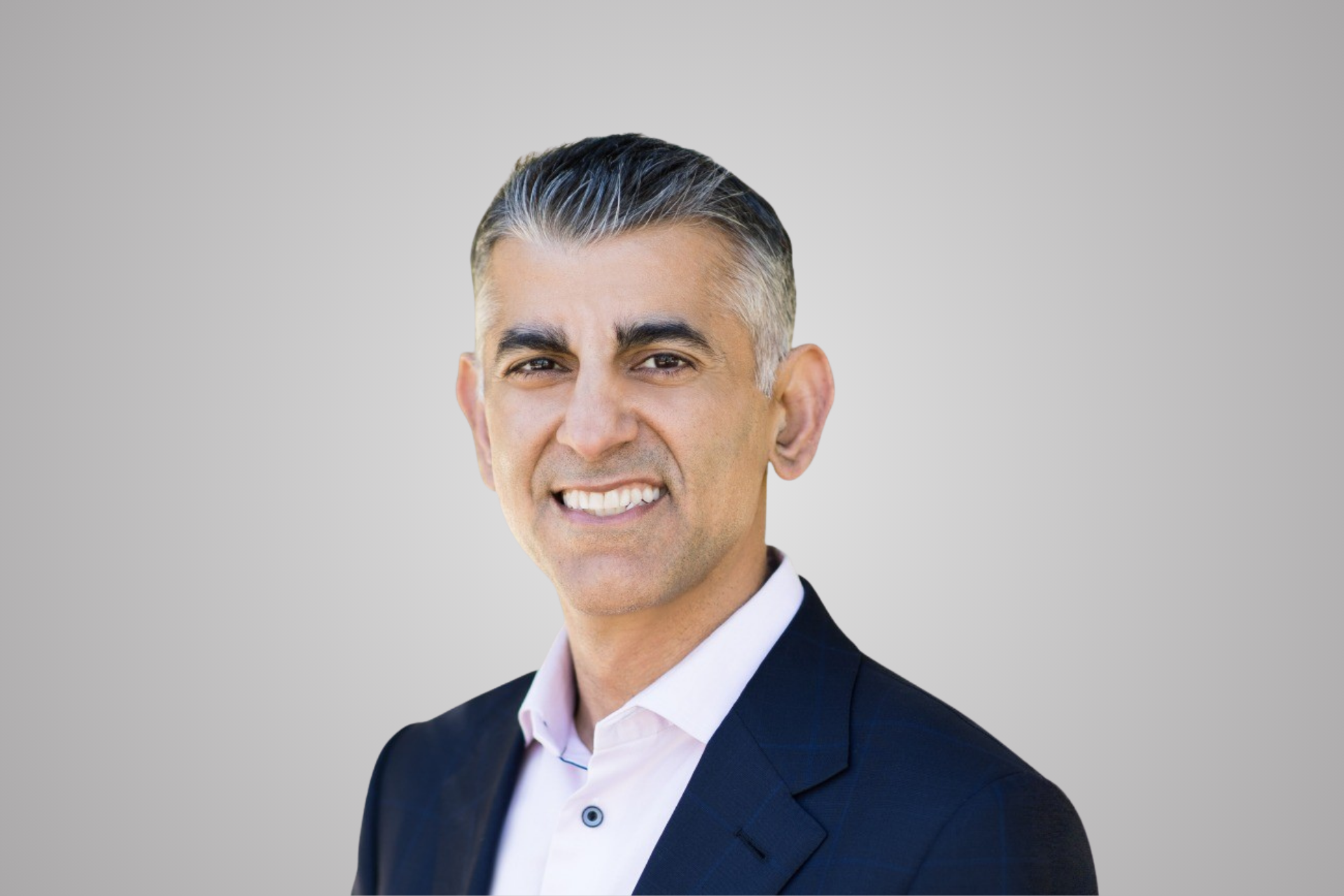



In this Cybersecurity Awareness Month, we explore insights from Samer El Kodsi, Regional Vice President, Gulf & North Africa at Palo Alto Networks, on the evolving threats, opportunities, and strategies shaping the cybersecurity landscape in the Middle East
Organizations are building increasingly complex AI ecosystems. What are the biggest security risks you are seeing emerge in this landscape?
As technology advances, the threat landscape is also evolving rapidly, and it’s important for businesses to adapt their strategies for operational resilience in the AI era. At Palo Alto Networks, we’ve seen how AI is also being used to make cyberattacks faster, more comprehensive and sophisticated.
One of the rising and most concerning threats is deepfakes, which use AI-generated fake videos, images, and cloned voices that have become increasingly realistic and easier to produce. Cybercriminals are using them to impersonate executives, trick employees, and steal sensitive information or funds. Our threat intelligence team, Unit 42, said it takes as little as 70 minutes for a researcher with no image manipulation experience to create a fake job candidate persona that could pass for a real person on a video interview.
How does Palo Alto Networks help organizations prepare for and recover from ransomware and other disruptive attacks?
Organisations need to focus on preventing attacks using a proactive security architecture, rather than just detection. It’s essential to implement AI-powered tools in the correct way, for example Cortex XDR and WildFire to help detect and block ransomware in real-time. We also advise that organisations have critical data backed up regularly and stored securely in any case of an attack, plus we encourage employee training and awareness. Organisations should also conduct regular readiness checks to ensure they’re prepared for ransomware or any other attacks.
With AI evolving so rapidly, how is Palo Alto Networks preparing for the next generation of AI-driven threats?
According to Unit 42, the threat intelligence team at Palo Alto Networks, the 2025 Global Incident Response Report notes that cyberattacks are occurring at a faster rate than previously and in 25% of incidents, attackers exfiltrated data in under five hours– which is three times faster than in 2021. We’re already seeing bad actors using AI to automate phishing, generate malware, or manipulate data. It’s important to use AI to defend against threats more intelligently, and to also stay ahead of how attackers might use AI themselves. At Palo Alto Networks, we believe in fighting AI with AI.
How do you see the Middle East cloud security landscape evolving in the next 2–3 years?
The Middle East is moving fast when it comes to cloud adoption and innovation. Governments, financial institutions, and even healthcare providers are building ambitious cloud-first strategies. In the next few years, we expect to see more focus on cloud-native security and better visibility across hybrid environments.
What role do you see AI security playing in the broader cybersecurity strategy of enterprises in future?
AI is no longer just a tool – it’s becoming core to how businesses run. This means that secure AI systems will be just as important as securing your network or your cloud. From protecting training data to making sure models aren’t being exploited by attackers, organisations need a clear AI security strategy. Over time, we’ll see AI security become a standard part of enterprise risk frameworks. At Palo Alto Networks, we’re building that future now with AI-powered platforms that are both intelligent and secure by design.
As cyber risks grow in complexity and scale, Palo Alto Networks emphasizes the need for proactive, adaptive, and AI-informed security strategies. By helping organizations prepare, respond, and recover from evolving threats, the company is driving a vision where cybersecurity is not just a defensive measure but a strategic enabler of digital transformation. The insights shared highlight the critical role of AI security, cloud resilience, and forward-looking cybersecurity leadership in shaping a safer, more secure digital future.
All Content Rights Reserved by The Catalyst.