


What they don’t see is the thinking behind the pixel. The hours of user research that reveal how a real person, confused, tired, time-pressed, actually interacts with a product. The strategic decisions about what to prioritise, what to simplify, what to remove entirely because it creates friction between a person and what they are trying to do. The quiet, painstaking work of making something complex feel effortless.
That is what product design really is. And it is some of the most consequential work happening in technology today.
I came into this field through a genuine fascination with how people experience things, not just what products do, but how they feel to use. UI design, user research, design strategy, interaction design, these disciplines taught me that the distance between a product that works and a product that truly serves people almost always lives in the details. In the moment a user hesitates. In the question they shouldn’t have to ask. In the flow that loses them before they ever reach the value the product promised.
My career has taken me across some remarkable organisations, Hotels.ng, uLesson, Miva Open University, Instill Education, each of them operating at the intersection of technology and human need, and each of them teaching me something different about what it means to design with purpose rather than just proficiency.
The education technology sector, where much of my work has been concentrated, sharpens this lesson quickly. When you are designing for learning, the stakes of poor UX are not just frustrating, they are consequential. A student who cannot navigate a platform does not just have a bad experience. They miss content. They disengage. Eventually, they come to the conclusion that, perhaps, learning this way is not for them. The meaning of this is clear: good design in edtech is not a nice-to-have. In fact it is part of the educational mission itself.
This realization now influences my work on an AI-powered platform aimed at streamlining course creation, making it faster, more efficient, and more accessible for educators to build quality content at scale.
It is obvious and non-contested that Artificial intelligence is now changing what is possible in education technology. At the same time, AI without a thoughtful design is just capability without clarity. My responsibility now is to make sure that the intelligence in the system translates into genuine usability, my role is to ensure that the people using the platform feel empowered by it rather than overwhelmed.
I would love to talk about something that lives alongside the product work, and that I believe is just as important: mentorship.
I have constantly shared my knowledge of UX, my understanding and industry tips and tricks of UI that I have amassed over the years are not gated, I share it all. Similarly, I haven’t stopped talking about portfolio building, about career navigation and the specific challenges of growing as a designer in an industry that is still figuring out how to value design leadership. Why do I do all this?
It’s simply because I remember what it felt like to be at the beginning, I still remember what it felt like to have the passion, the instinct and the curiosity but not yet the framework to translate all of these into professional confidence.
In the tech space, specifically design, women often bear an additional weight: it’s this sense that they must prove their belonging before they can simply do their work. However, mentorship disrupts that.
Now, when an aspiring designer sees a woman who looks like her, who’s operating at a level she is working toward, something shifts in her. This is not just inspiration, instead it’s permission. This is the kind of permission that changes career trajectories.
When I opined that women designers are building the next generation of tech leaders, this exactly is what I mean. We are actively doing it and we are doing it through the products we ship. That, however, isn’t the end, we are also doing it through the knowledge we share, through the communities we invest in, and through the deliberate choice to make the path clearer for the person walking it behind us.
Mockups matter. But so does meaning. And the most meaningful thing any of us can do in this industry is refuse to climb alone.
Design the experience. Then design the opportunity for someone else to have one too.
About the Contributor
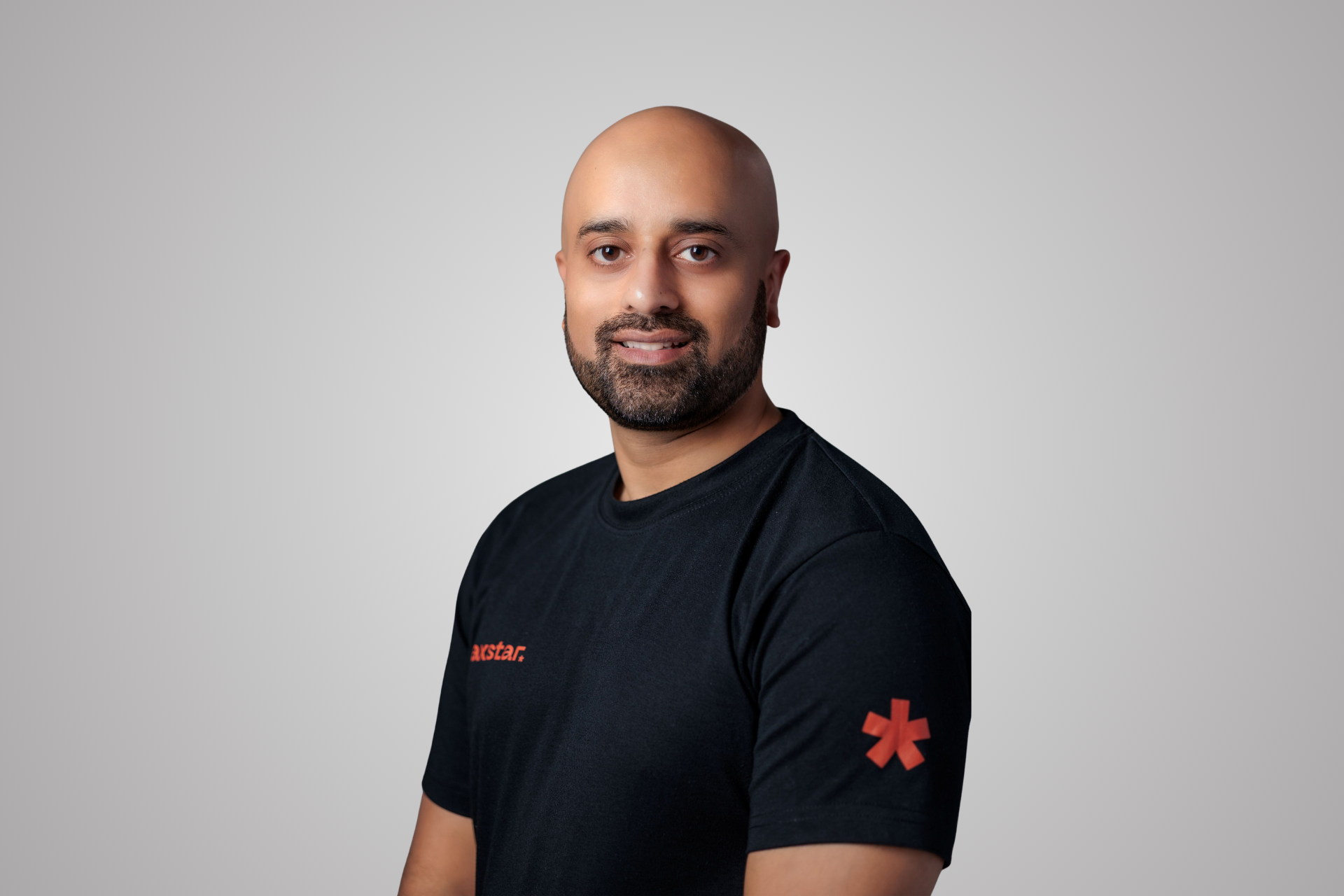
Ifeoluwasimi Olusola is a product designer specializing in UI design, user research, design strategy, and interaction design. She has contributed to the growth of innovative organizations such as Hotels.ng, uLesson, Miva Open University, and Instill Education, leading initiatives that make digital products more intuitive and accessible, particularly in the education technology sector. She is currently involved in developing an AI-powered platform aimed at streamlining course creation and improving educational content delivery, working at the intersection of artificial intelligence and human-centered design. Beyond her professional work, she actively mentors emerging designers and shares practical insights on UX, UI, and portfolio development.
All Content Rights Reserved by Catalyst.