

How are emerging technologies such as AI and cloud computing changing the cybersecurity landscape, and what challenges should organisations prepare for?
Organisations should prepare for three things:
- AI as a new data path. Employees and agents feeding sensitive content into models creates leakage routes that traditional DLP was never designed for.
- Attackers using the same tools. AI makes phishing and reconnaissance faster and more convincing.
- Fragmented governance. Every additional tool for email, file sharing and transfers adds another policy set and another audit trail to reconcile.
The answer is consolidation around data-centric controls and zero-trust principles, not another point solution.
How does Kiteworks help organisations protect sensitive data shared across emails, file transfers and business applications?
Kiteworks acts as a control plane for the exchange of sensitive data. Email, secure file sharing, managed file transfer, web forms and APIs all run through one platform, so the same policies, encryption and monitoring apply everywhere, instead of being managed per channel.
In practice that means:
- Content-aware, zero-trust access controls based on who is sending, what the content is and where it is going.
- End-to-end visibility, with a single, consistent audit log across all channels.
- Governance and compliance built in, so evidence for regulators is a by-product of daily operations rather than a separate exercise.
The result is that organisations know what sensitive data is leaving, who touched it and can prove it.
With AI adoption growing across the GCC, how can businesses prevent data leaks while ensuring responsible and secure AI usage?
Start from the principle that AI should be treated like any other consumer of sensitive data: it gets access only under policy, only to what it needs, and every interaction is logged. Blocking AI doesn’t work, because people will find a way around it.
Concretely:
- Put a governed layer between AI tools and your enterprise content, so agents access data through authenticated, policy-enforced channels rather than direct copies.
- Apply the same classification and access rules to AI as to humans, and keep the data inside your own environment.
- Keep a full audit trail of what AI accessed, so you can demonstrate responsible use to regulators and the board.
This is what Kiteworks’ secure AI data access capabilities are built for: enabling AI use without losing control of the data underneath.
How does Kiteworks’ partnership with AmiViz help expand its reach and strengthen its cybersecurity offerings across the Middle East and Africa?
AmiViz brings what a vendor can’t build alone: local presence, established relationships with partners and end customers, and an understanding of regional buying behaviour. For Kiteworks it extends our reach to resellers and integrators across the region, with a distributor that can run enablement, events and market development at scale.
The “Securing AI in the Gulf” webinar in September is a good example. It brought in partner organisations from several countries and confirmed there is real demand for the topic. Together we can combine Kiteworks’ technology and expertise with AmiViz’s local execution to support partners and customers more effectively.
How is Kiteworks helping organisations in the GCC address data sovereignty, privacy and regulatory compliance requirements?
Sovereignty is about control, not just where the data physically sits. Kiteworks lets organisations decide where the platform is deployed (on-premises, private cloud or hosted in-country) and keeps the encryption keys under the customer’s control. Sensitive content isn’t exposed to third parties or foreign access regimes outside the organisation’s own governance.
On compliance, a single platform with unified policies and logging makes it far easier to evidence adherence to national privacy laws and sector regulations across the region. Customers can map controls to what their regulators expect and show how data is handled, rather than just asserting it.
What are Kiteworks’ key growth priorities for the Middle East, and what opportunities do you see for further collaboration with AmiViz?
Our priorities are to:
- Grow with regulated industries such as government, financial services and critical infrastructure, where sovereignty and compliance are decisive.
- Position Kiteworks as the control plane for secure data exchange and compliant AI adoption.
- Build up the partner ecosystem so we can serve customers locally with the right skills.
With AmiViz, the opportunities lie in joint enablement and certification of partners, targeted campaigns and events around AI security and sovereignty, and developing pipeline in specific verticals and countries. We’ve shown that works with the recent webinar, and I see room to do more of it.
About the Contributor
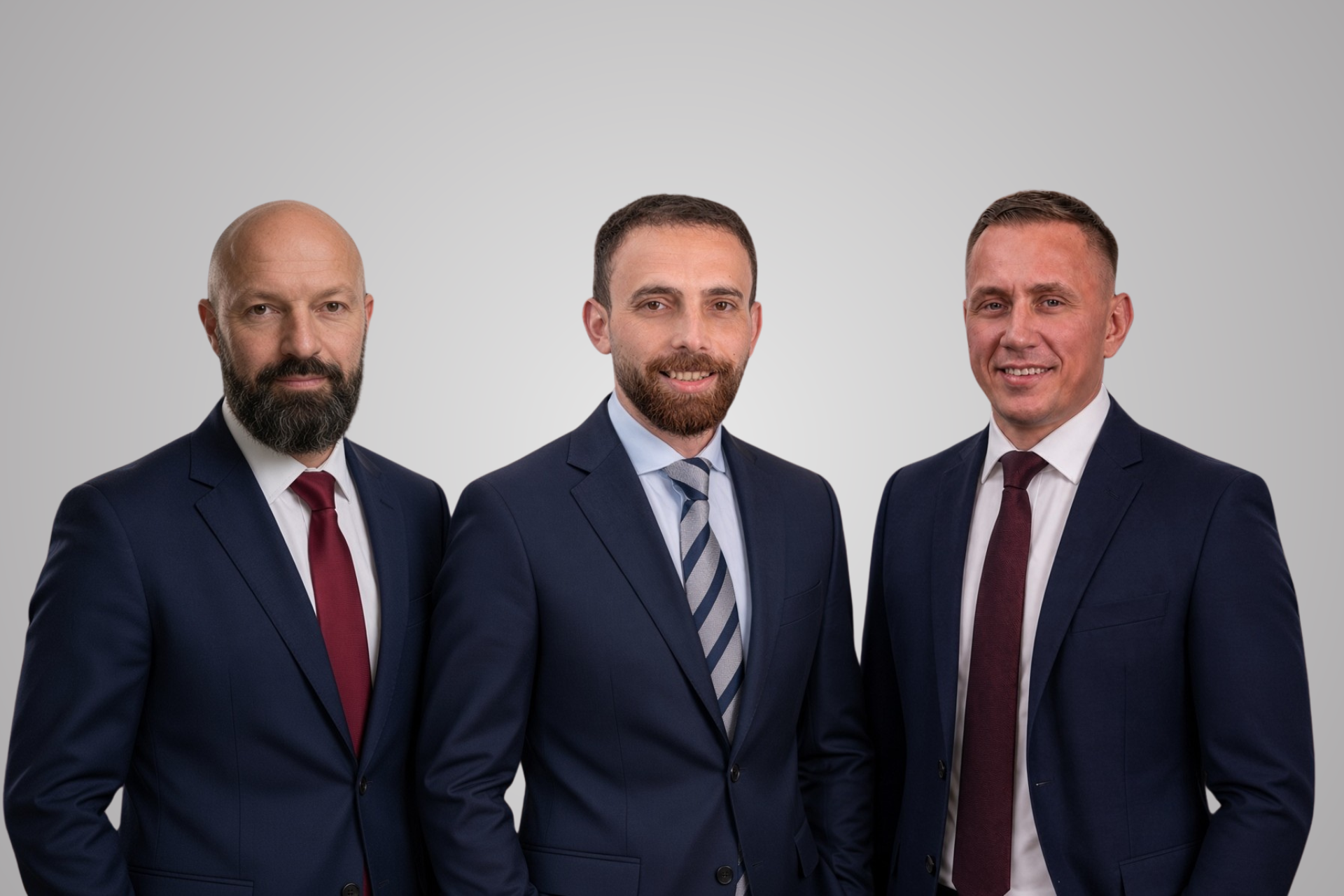
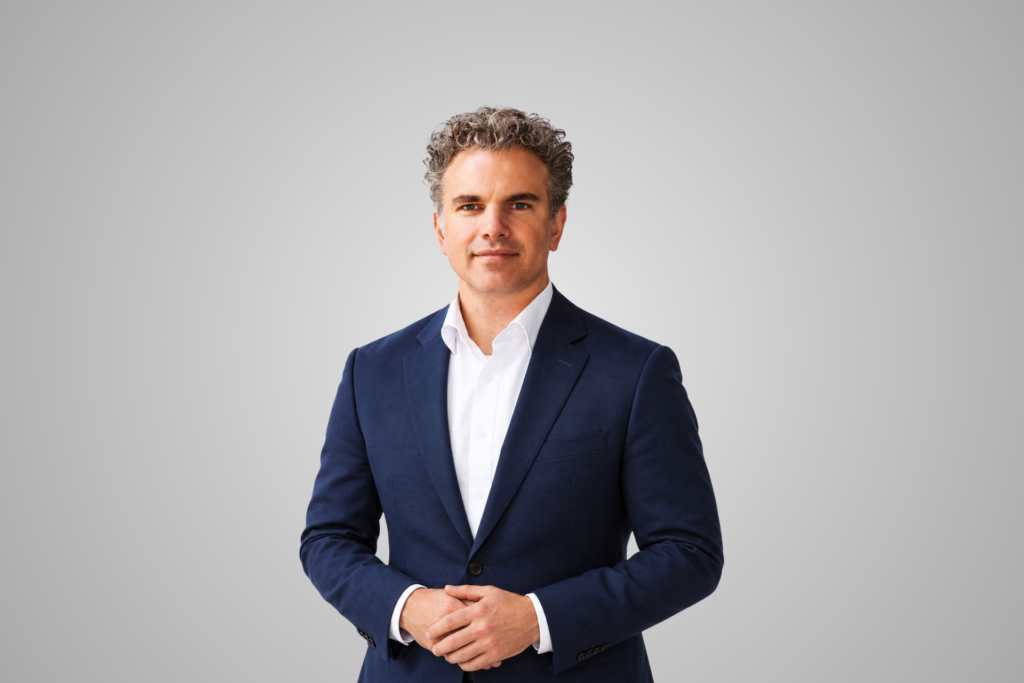
Rick Goud is co-founder of Zivver and Global Field CTO at Kiteworks, focusing on cybersecurity, data sovereignty, compliance, and AI governance. Previously, he served as Chief Innovation Officer at Zivver, helping organizations protect sensitive information through secure digital communications. Before founding Zivver, Rick spent six years as a healthcare consultant at Gupta Strategists, where he recognized the need for simpler, safer ways to exchange confidential data.

Rick holds a Ph.D. in Medicine from the University of Amsterdam and studied Medical Information Science and Care Management.

All Content Rights Reserved by Catalyst.