


This shift isn’t just about adding services, it’s about fundamentally changing how you approach customer relationships and demonstrate value in an increasingly complex threat landscape.
Why the Old Model no Longer Works
Traditional cybersecurity sales focused on solving immediate technical problems: your customer needed a firewall, so you sold them one. But today’s threats don’t respect these product boundaries.
Cybersecurity has evolved from an IT concern to a strategic business imperative, with 85% of CEOs now reportedly viewing cybersecurity as crucial to business growth. Cyber threats can make or break M&A deals, derail digital transformation projects, and destroy customer trust overnight.
Your customers need partners who understand these broader implications, not just technical specifications. They need advisors who can connect security investments to business resiliency and long-term success.
The Strategic Advisor Advantage
Forward-thinking partners in the UAE and across the broader Middle East and Africa (MEA) region are already making this transition. Instead of asking “what do you need?”, they’re asking “what are you trying to achieve?”. This change opens up entirely new conversations about business objectives, competitive positioning, and transformation drivers.
Consider the M&A scenario. A weak security posture could derail a deal worth millions. Partners who understand cyber due diligence processes become highly valued advisors, not just technology suppliers. They help clients prepare for these critical moments by building robust security frameworks that support business growth.
Navigating Emerging Technology Risks
New technologies create both opportunities and risks that your customers struggle to manage alone. Take artificial intelligence – many employees are already using AI tools without company approval, known as “Shadow AI”. According to one recent survey of IT decision makers, 93% of employees input information into Gen AI tools without approval, illustrating the scale of the challenge.
This unauthorised use of AI introduces serious risks around data privacy, intellectual property theft, and regulatory compliance. While customers may benefit from AI tools, they also need the right governance frameworks to use them responsibly.
As a strategic advisor, your role is to help them navigate these complexities, guiding them in building policies that foster innovation while safeguarding their business.
Building Credibility with the C-suite
C-suite executives want partners who understand their business challenges and who can speak their language. Executives say only 24% of the salespeople they encounter understand their business.
Partners must understand their customers’ industry, competitive landscape, transformation goals, regulatory requirements, and – most importantly – how security investments drive business outcomes.
Those who successfully make this transition share practical examples of their impact. They show how they helped one customer navigate a critical incident or guided another through successful technology adoption. These stories provide credibility in ways that product demonstrations never could.
The Skills to Succeed
Making this transition requires expanding your skill set beyond technical expertise. Successful advisors maintain current awareness of cyber trends specific to their customers’ industries. They understand how different threat actors target different business sectors and can provide relevant, actionable guidance.
They also build track records of handling security incidents effectively. This operational experience becomes invaluable when advising customers on incident response planning and business continuity strategies.
Your Competitive Future
The channel partners who will thrive in the coming years will be those who successfully position themselves as indispensable business advisors. McKinsey suggests those who do achieve margins nearly double those of “traditional” resellers.
Those who continue operating as product resellers will find themselves increasingly commoditised, competing primarily on price in a race to the bottom.
The choice is clear: evolve into a strategic business risk advisor or risk being left behind. Your customers’ success, and your own, depends on making this transition now.
About the Contributor
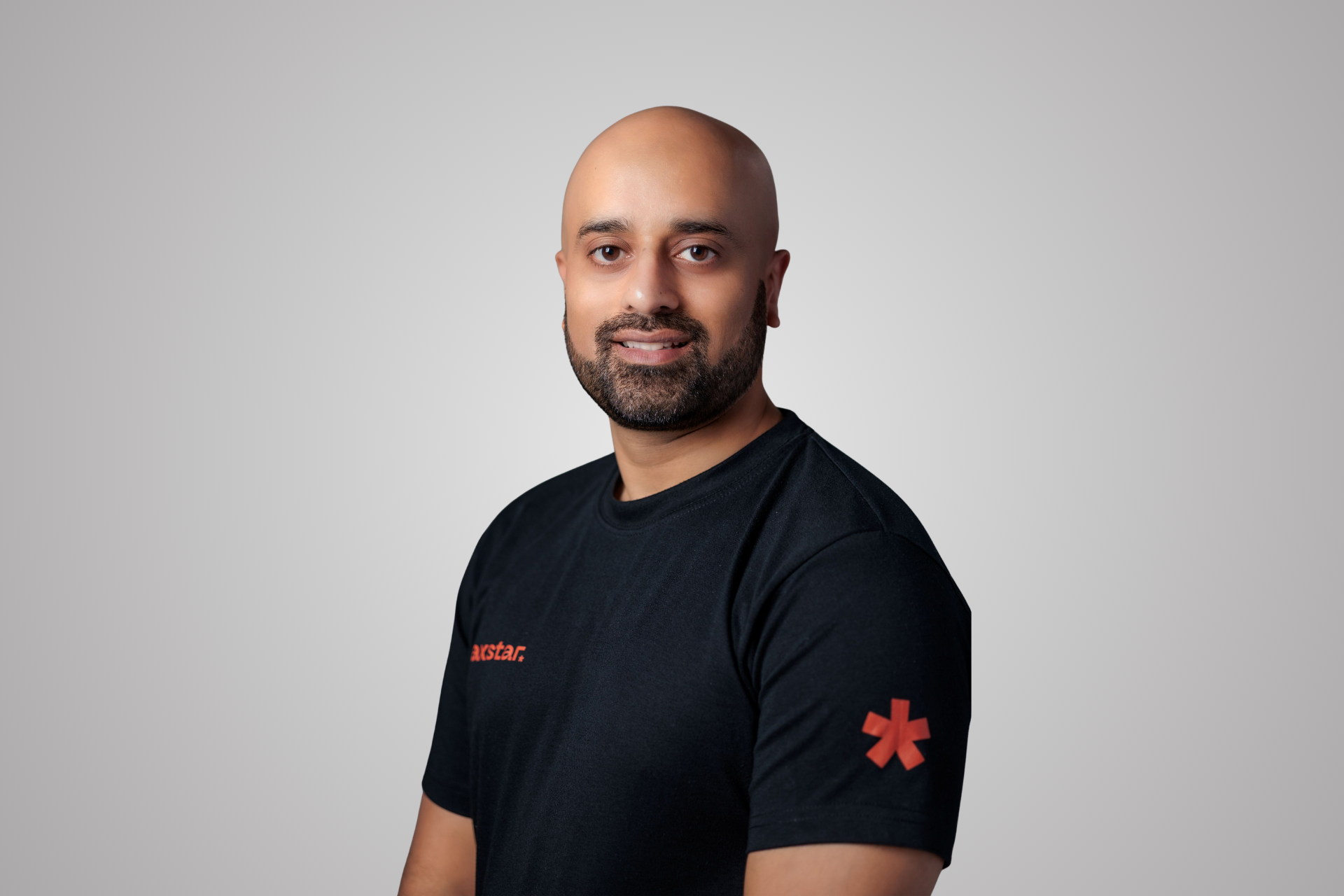
Ahmed Roshdi is a seasoned Senior Business Development Manager at Westcon-Comstor, bringing extensive experience in IT, networking, and cybersecurity. With a strong background in technical sales, marketing, and strategic business management, he has successfully built and led high-performing sales, pre-sales, and marketing teams. Ahmed excels in developing partner relationships, driving go-to-market strategies, and achieving ambitious regional growth targets across EMEA. Known for his collaborative leadership and results-oriented approach, he plays a key role in shaping business strategies that align technology solutions with customer success.
All Content Rights Reserved by The Catalyst.