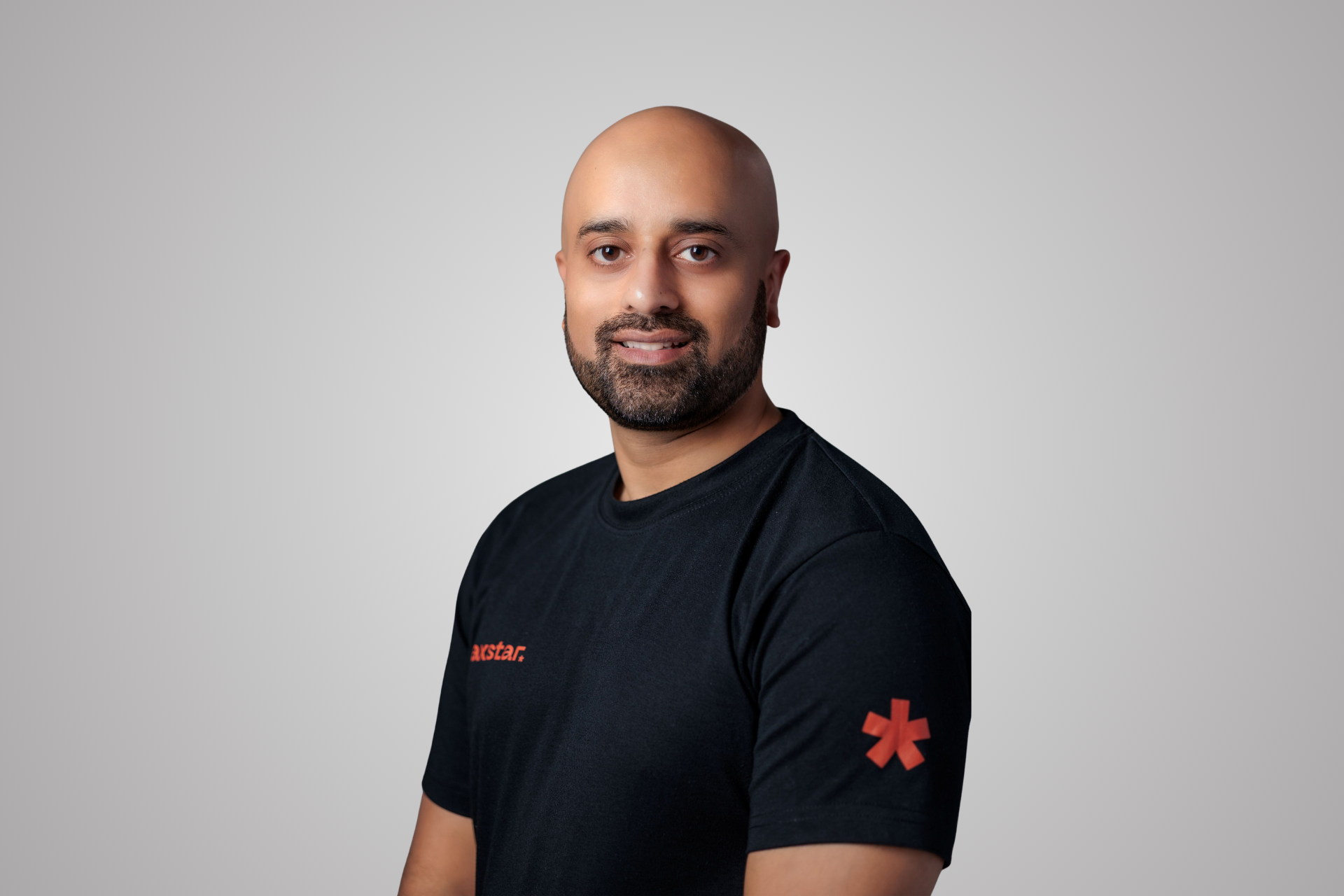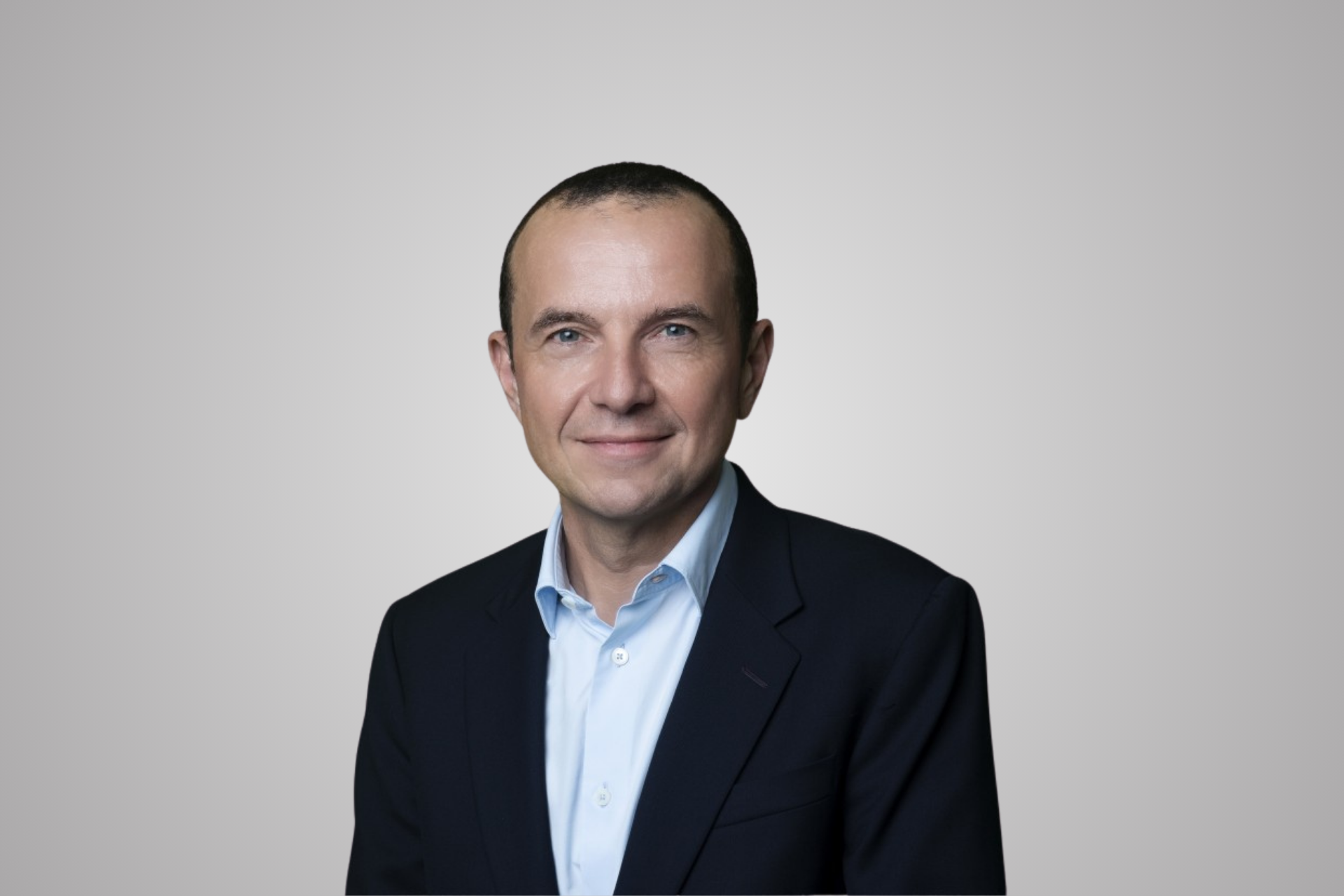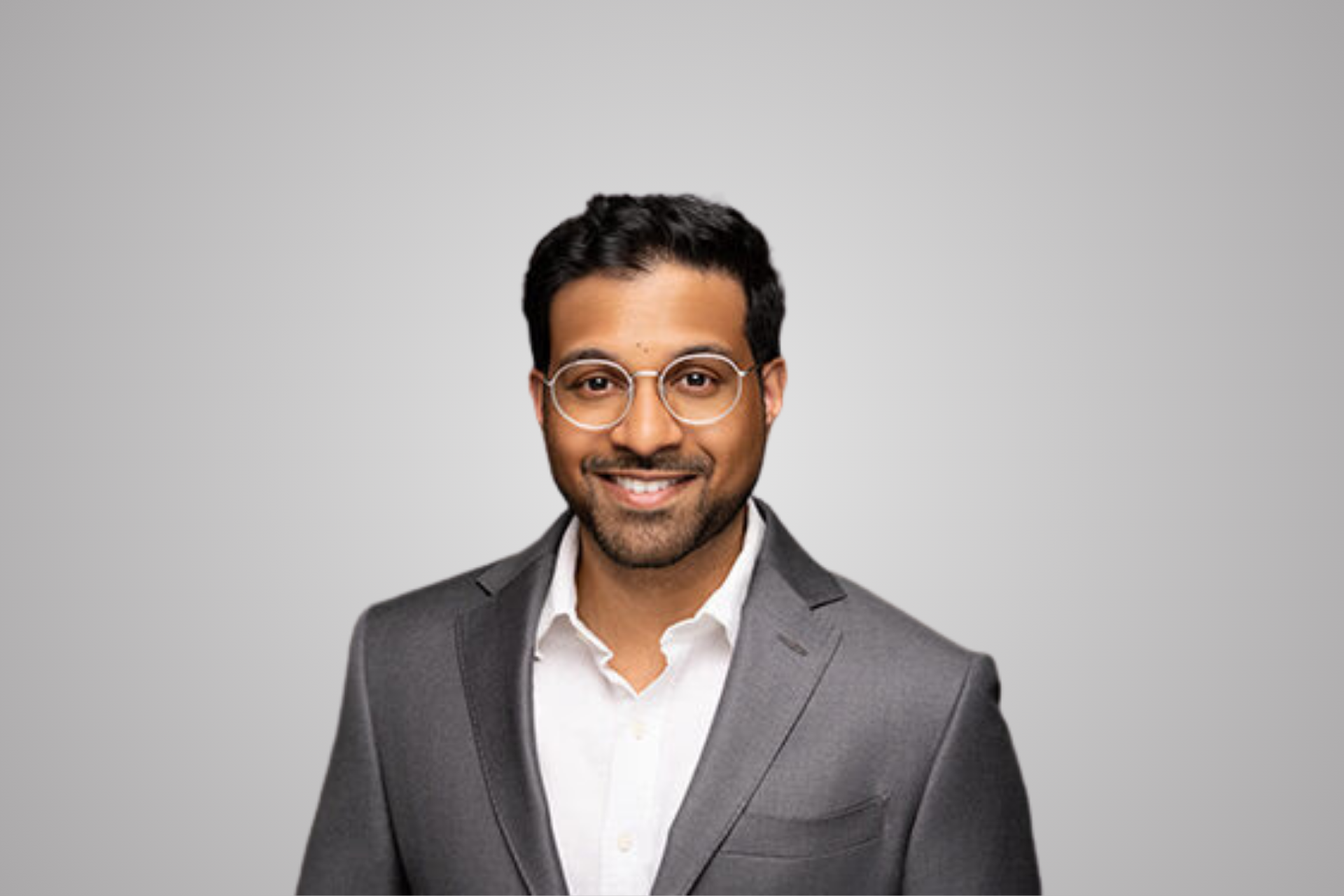




Christiana Maxion, Founder & CEO, MAXION, shares insights on how AI-driven platforms are enabling more meaningful human connections while navigating the delicate balance between personalization and privacy. The conversation also sheds light on the role of women in shaping empathetic, community-first technologies, and examines emerging behavioural trends among younger users in dynamic cities like Dubai.
In a region like the Middle East, where digital adoption is high, how can AI-powered platforms move beyond dating to enable meaningful social interactions?
In the UAE, tech-savvy individuals enjoy near-universal connectivity: about 99% use the internet, and over 12.5 million have social media identities. Despite these figures, high levels of digital access rarely translate into real social interactions. Most apps are built to optimise swipes, likes, or messages, but true connection happens offline.
To address this gap, our platform, MAXION, uses AI abilities to convert digital activity into real-world interactions. The tech running our app reduces digital noise by identifying behavioural signals, such as response patterns, follow-through, and scheduling alignment, that indicate genuine intent to meet.
How can AI balance personalisation with privacy when it comes to understanding people’s social and emotional needs?
When apps use advanced systems, they need sufficient insight to create the right interactions, while also respecting the sensitivity of the information users share. Social connection-building platforms handle some of the most intimate data a person can share, including emotional patterns, desires, and vulnerability. Most of the industry treats that as fuel for engagement. We at MAXION treat it as something to protect, and our app was designed with privacy in mind from day one. We minimise retention, reject invasive profiling, and personalise only what members have explicitly consented to. Our systems are built to suppress harassment, and discretion is non-negotiable.
As a woman in the tech ecosystem, what unique perspectives do women bring when building platforms focused on human connection and community?
Women often get asked this question, and my answer is simple: as founders, business leaders, or tech experts, we build companies or platforms like anyone else. What matters is how well we understand the industry, our product, and users. At MAXION, my perspective as CEO is shaped by the pace of social life in diverse cities like Dubai, the challenges people face when away from home, and the role genuine connections play in improving well-being and work-life balance.
What does “community building” look like today when people often live fast-paced, mobile lives across cities like Dubai?
Fast-paced life in metropolitan cities is characterised by an intense, non-stop hustle where everything, including careers, social life, and infrastructure, operates at high speed. Dubai is a brilliant example of this lifestyle. Professionals relocate frequently, work demanding schedules, and operate in busy environments. Our goal is to create a space where these people can meet in person and build lasting relationships. Since its launch, MAXION has facilitated thousands of curated in-person meetings and built a community of over 7,000 members, carefully selected to ensure positive outcomes.
What trends are you seeing among younger users in the region when it comes to forming relationships through technology?
There is a growing digital fatigue among young users with engagement-driven platforms. What we’re seeing is a generational breaking point. Users have spent years on apps designed to keep them swiping rather than meeting. Moreover, 77% of matches never convert to an in-person date, and the average user spends 32 hours a month in that cycle. Constant online interaction creates unrealistic expectations, leading to declining retention and a growing willingness to pay for solutions that actually work.
Cities like Dubai have large expatriate populations. How does this transient lifestyle influence the need for digital social platforms?
In places with high expatriate populations, social circles reset every 18 to 24 months as people relocate. The result is a city full of ambitious, high-earning professionals who have no shortage of access to people or digital social platforms. Hence, at MAXION, we are not trying to solve the issue of access. While developing the app, we studied the market and found that this population lacks a reliable infrastructure to convert that access into meaningful connections. That is the challenge we are addressing.
Looking ahead, do you believe technology will play a larger role in shaping how people find companionship, friendship, and community?
Technology will continue to evolve. However, the real value is in how we use it. At MAXION, we are not entirely reliant on technology for connection itself; instead, we use it as a tool to bring people together and build communities. For example, our platform leverages AI to streamline logistics, optimise scheduling, and enhance user experience. Thus, in simpler terms, technology that encourages human connections will play a larger role in shaping the future of this sector.
Technology is steadily reshaping how we interact, and the future of connection will be defined by platforms that blend advanced intelligence with genuine human empathy and authenticity.The insights shared in this interaction highlight a growing shift toward intentional, inclusive, and privacy-conscious digital experiences. They underscore that the true value of technology lies in its ability to bring people closer, even in an increasingly fast-moving world.
All Content Rights Reserved by Catalyst.