

International Women’s Day tends to focus on who gets a seat at the table. What I find more interesting is what you build once you’re in the room – the decisions that shape direction, the frameworks that make change real, the leadership that determines whether transformation lands or just gets announced. That work is less visible. It rarely gets a headline. And in the age of AI, it has never mattered more.
I’ve spent over a decade inside fast-moving organisations, building businesses from the ground up, shaping strategy for markets we were entering for the first time. What that experience taught me is simple and inconvenient: organisations are far better at launching transformations than sustaining them. AI is no different.
The Gap Nobody Wants to Talk About
Here’s what I see happening. A business adopts an AI tool. The implementation gets celebrated. A few months later, half the team is using it inconsistently, people whose roles changed are quietly disengaged, and the efficiency gains are harder to find in practice. Nobody planned for this, because the plan stopped at deployment.
The missing ingredient is rarely better technology. The harder work is helping people understand what their role means now, rebuilding performance frameworks that reflect new realities, and creating enough psychological safety that teams can admit when something isn’t working. That work doesn’t come with a launch event, nor in AI-written LinkedIn posts, it lives in strategy & execution that goes deep enough to actually change behaviour.
The real risk of this AI moment is that organisations move so fast chasing efficiency that they hollow out the human judgment and institutional knowledge that actually make businesses work.
What This Moment Asks of Strategic Leaders
Five years ago, a strategic leader was largely accountable for setting direction and optimising what already existed. Today, that same leader is being asked to redesign how work happens, who does what alongside which tool, and how you hold people accountable in a landscape that keeps shifting. That’s a fundamentally different job.
It requires asking uncomfortable questions before the rollout, not after. It requires understanding enough about AI systems to know what they can’t do, not just what they can. And it requires sitting in ambiguity with your team rather than projecting false confidence to manage their anxiety.
What I’d Actually Tell Women Entering This Space
Here’s what I’d actually say.
Stop waiting to feel qualified. The people making the biggest calls in AI and the workforce right now are figuring it out as they go – the difference is they showed up anyway. Your instinct for how organisations actually function, your ability to read a room, your experience of being the person whose concerns were underestimated, in a field still learning what questions to ask, that is a genuine edge.
There’s something else worth saying, something women often underestimate in themselves. The capacity for empathy, the instinct to ask how people are actually experiencing a change, to hold the human cost of a decision alongside the business case, is not a soft skill. In an AI-saturated world, it is a strategic one.
The leaders who can hold both rigour and empathy, who refuse to let speed become an excuse for losing people in the process, are rare. Recognise that in yourself. It’s not incidental to the work. It’s the core of it. And it has never been more worth doing.
About the Contributor
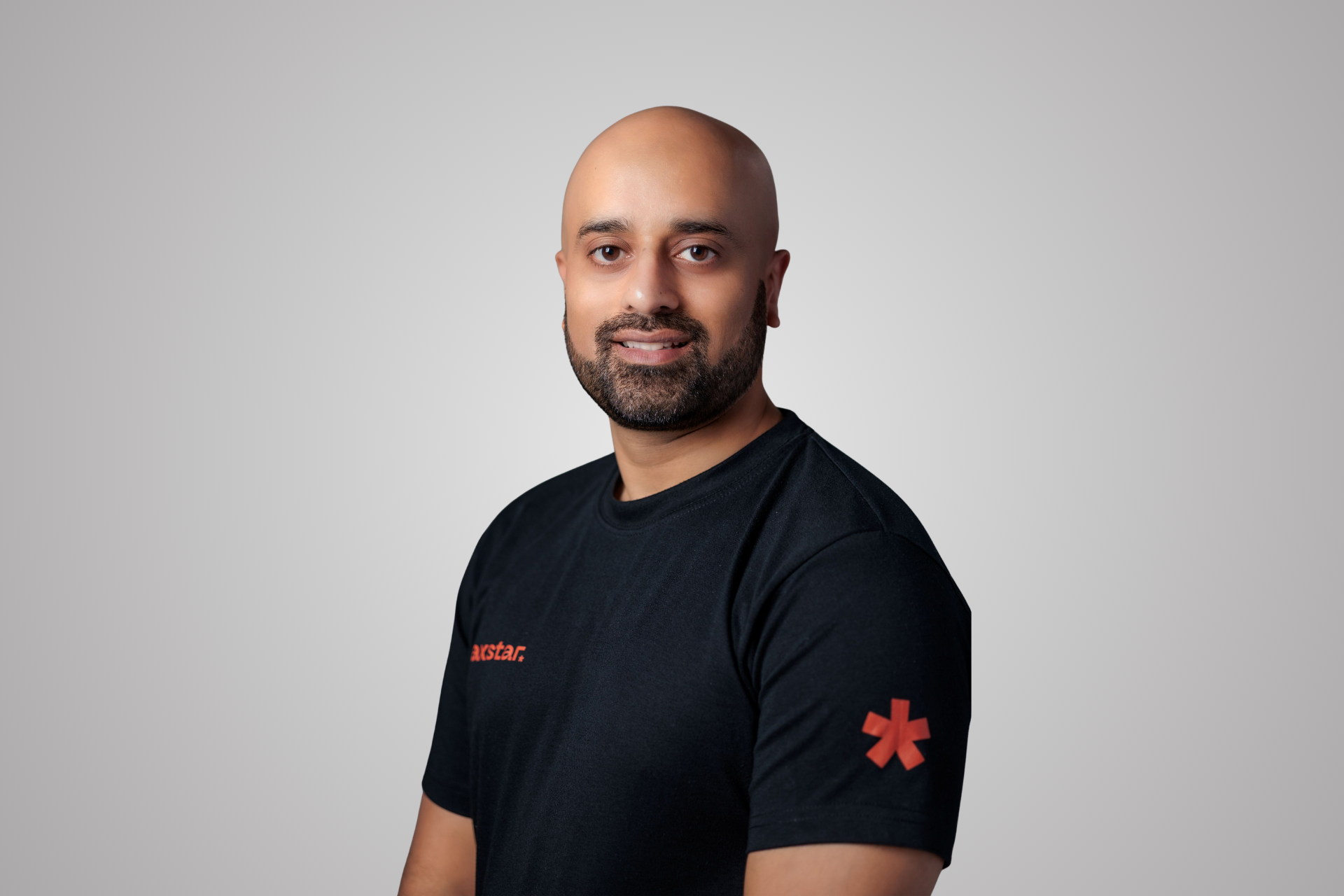
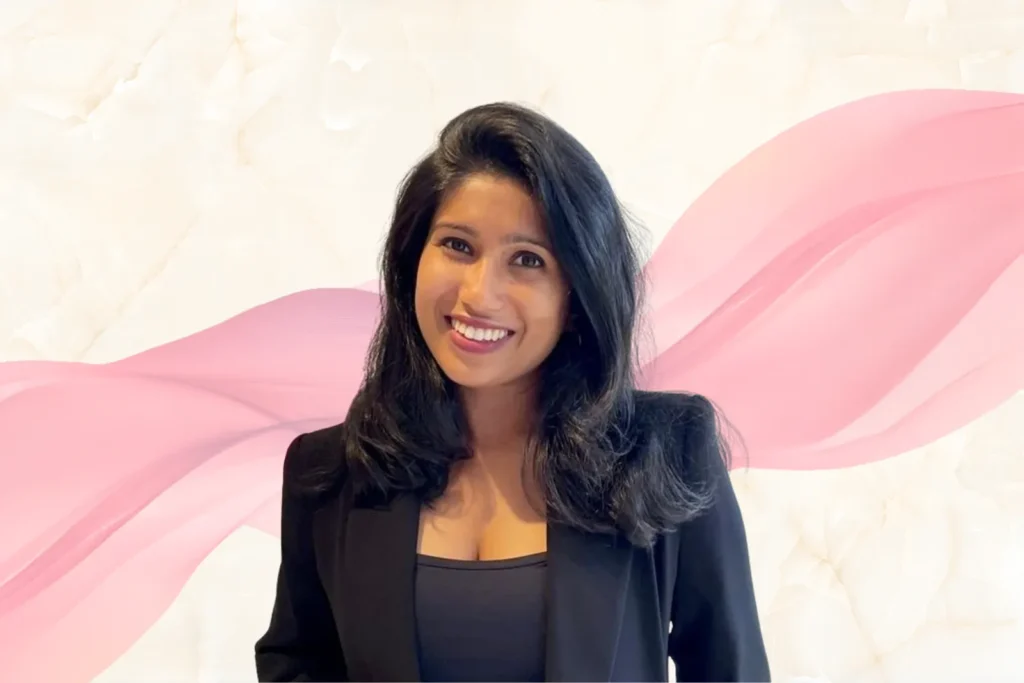
Ashita Sharma is a founding member of TERN Group, where she serves as Senior Vice President of Strategy & Operations, leading the company’s growth and operational framework. She oversees key functions including finance, legal, HR, and marketing, while driving corporate strategy, fundraising, and investor relations. With over a decade of leadership experience across India and the Middle East, she specializes in building scalable operational infrastructure for high-growth, early-stage companies. Her work focuses on enabling AI adoption in regulated industries, strengthening workforce design, and developing resilient systems that support sustainable business expansion.
All Content Rights Reserved by Catalyst.