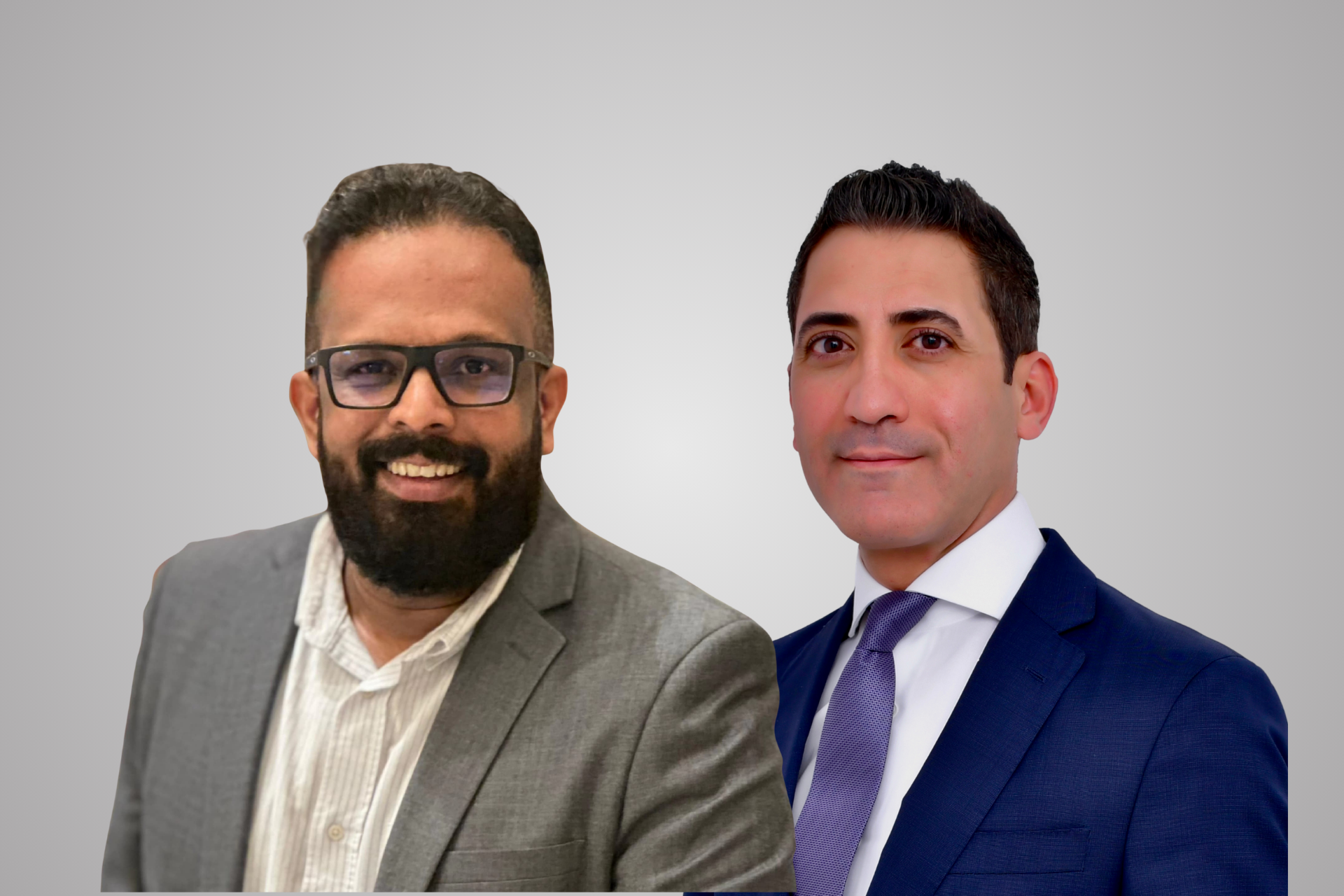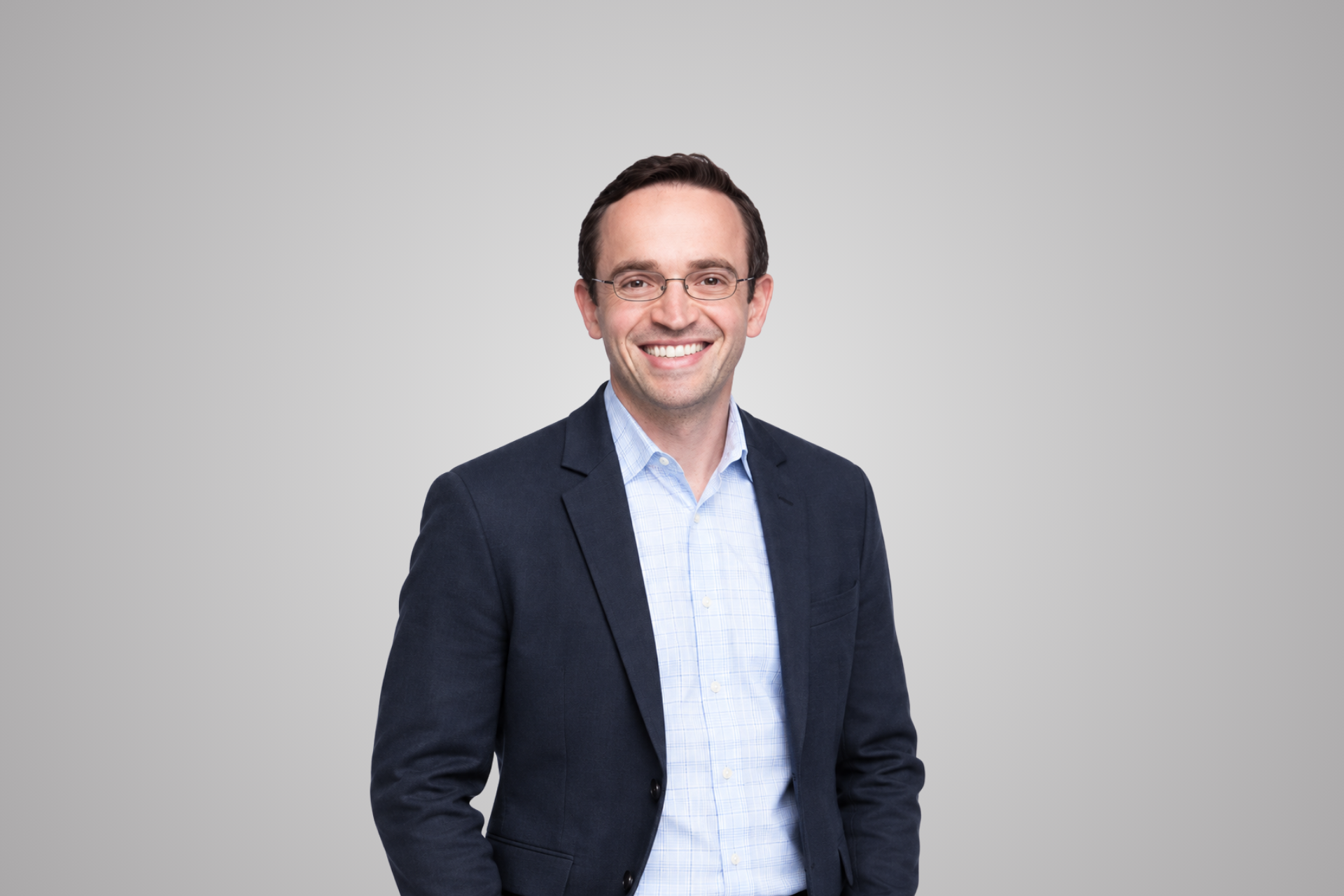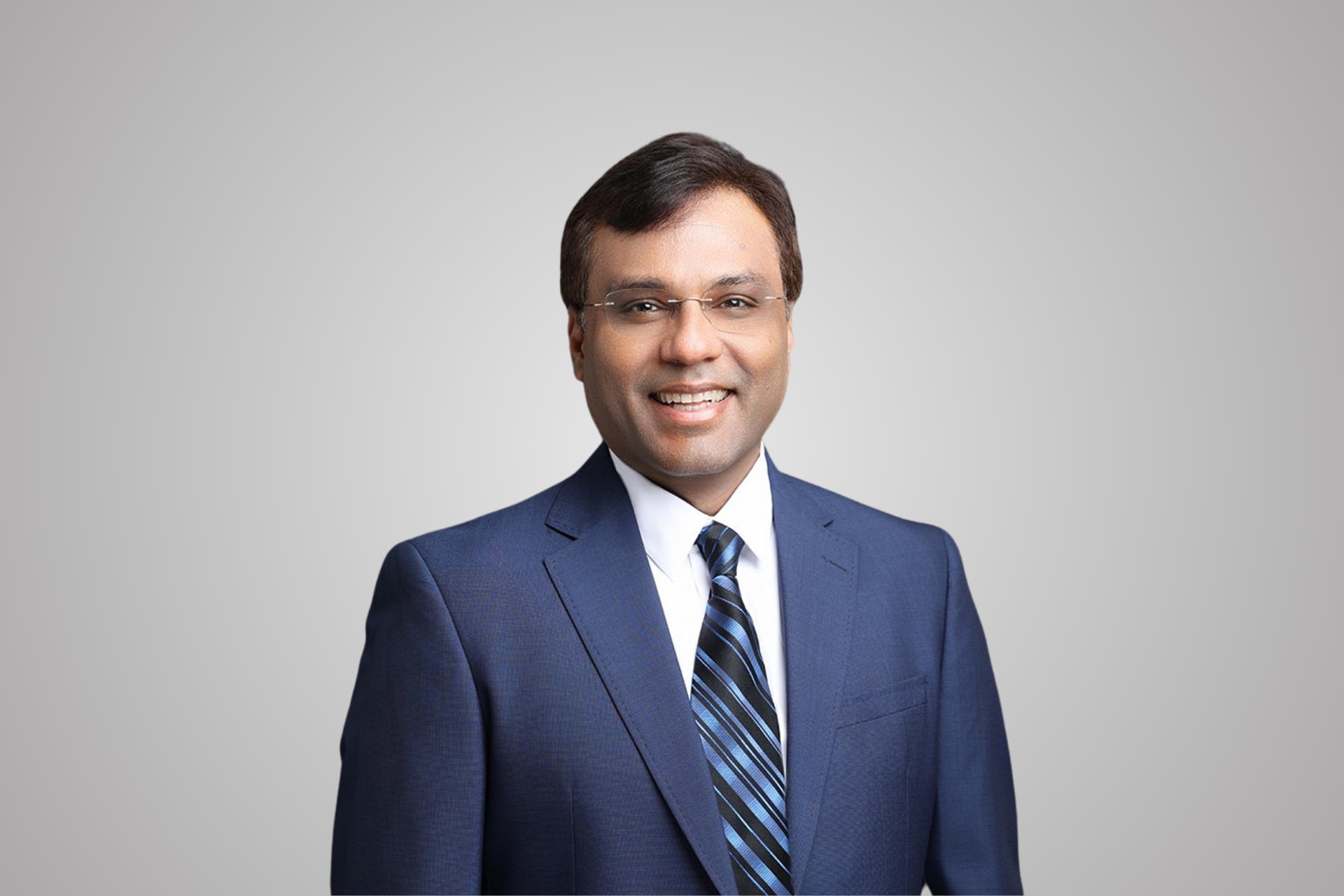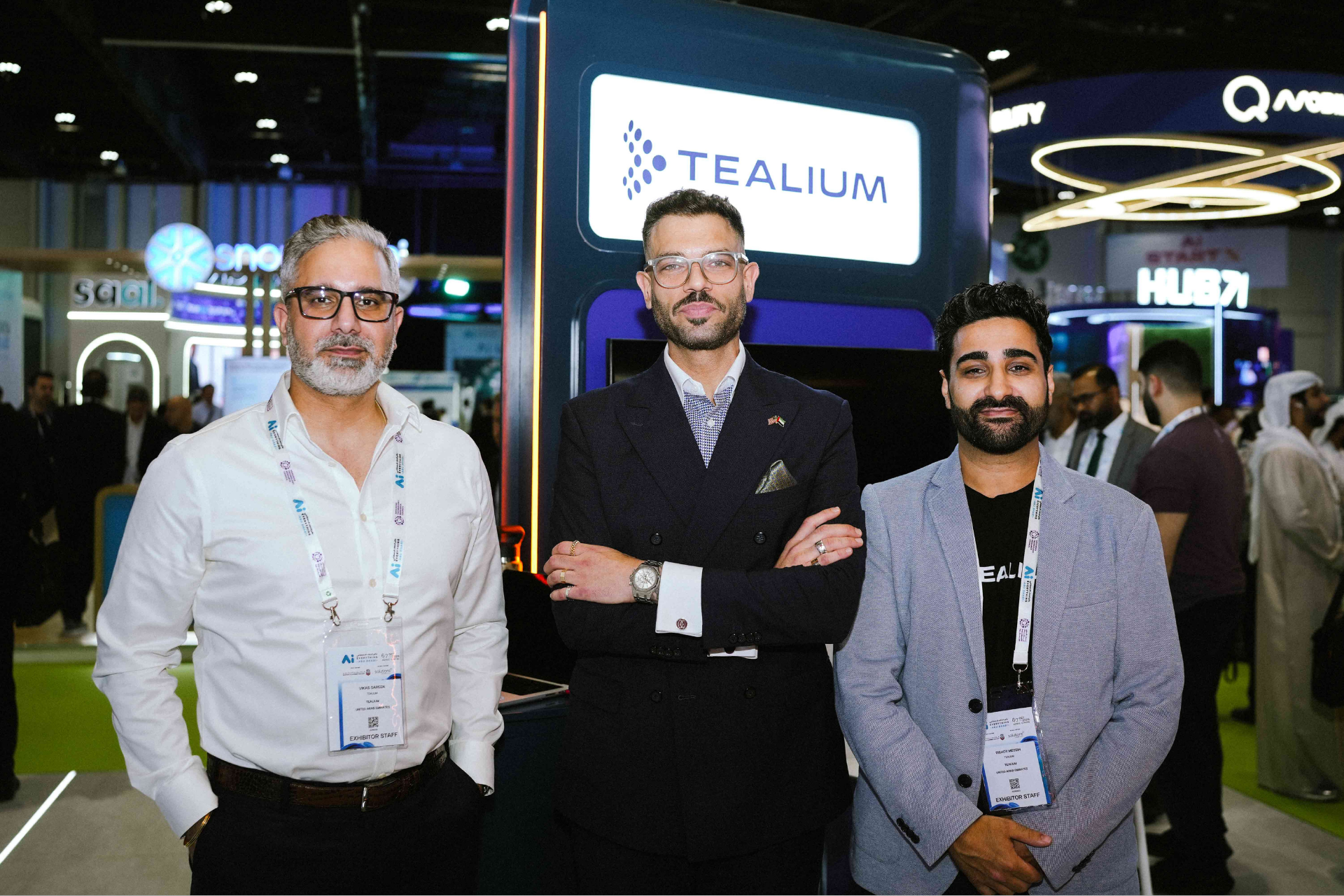


In this exclusive interaction with The Catalyst, Dr. Ahmed Dabbagh, Managing Director at Polynome AI Academy, shares insights on how the program aligns with regional priorities, addresses local talent gaps, integrates global best practices, and prepares leaders to harness AI’s potential for both business transformation and societal impact.
Why is the Executive Program for Chief AI Officers particularly significant for the region at this point in time?
CAIO program is crucial for UAE and the region as it directly aligns with UAE’s AI Strategy 2031 and “We the UAE 2031” vision to make UAE a global leader in artificial intelligence as well as the other countries in the region who are investing in mega AI projects. CAIO roles have been made compulsory by UAE’s government across ministries from June 2025 onwards, and this has put immediate emphasis on executive education. With nearly 70% of corporations throughout the Middle East contemplating boosting business expenditure on AI, the program bridges the gap between strategic leadership and technological competency.
It addresses local talent deficiency through leadership development that aligns business goals and artificial intelligence solutions and promotes AI literacy across the corporation. Through developing skilled CAIOs, UAE not only ensures responsible usage of artificial intelligence but also enables the employee base with resilience amidst digital change.
Other than immediate capacity building, the program serves as an expansion driver. It positions the UAE as a global hub for international AI talents and start-ups by calling in expertise but developing regionally specific innovation responding to regional economic imperatives. Aiding from partnerships with the best global institutions like Oxford and ETH Zurich and Khalifa University, it aligns global best practices with regional imperatives. As the first program of this kind in MENA, it elevates MENA governance and leadership standards among executives.
What sets this CAIO program apart from other global executive education initiatives in AI leadership?
This program is distinct from other programs in that it’s deeply aligned with UAE’s national AI vision, thus it’s not only a research program but also a national strategic enabler for UAE’s aspirations in AI. It addresses policy-driven imperatives like data sovereignty, ethical governance, and responsible regulation of artificial intelligence. Thanks to the backing from government ratification and support from AI-related corporations like G42, it aligns strongly with UAE’s vision for long-term development.
No other CAIO-centric program was co-developed by Polynome Group in partnership with Abu Dhabi School of Management. Polynome Group is one of the leading providers of AI solutions. Design driven by practitioners equates to usable implementation, whereby participants have “execution-ready” methodologies. Abu Dhabi School of Management is the driving force in offering higher education degrees in business analytics and AI in Management. Experienced instructors include active CAIOs and technology and government leaders from across the globe.
The program also emphasizes hands-on experience through collaboration with NVIDIA, and other big players as technology providers, which offers program participants first-hand exposure to enterprise-class AI technologies. With MENA emphasis, it allows leaders to prepare for rising investments in AI and make it easier to enable adoption across industries.
Aside from courses, it offers a closed peer network, research collaborations for one’s entire career, and incubation for new startups. An EU or America global module offers international exposure. With the academic accreditation by ADSM, it brings together rigorous scholarship and practical influence and is one-of-a-kind globally as an executive program.
With contributions from leading institutions such as Oxford, ETH Zurich, and NASA JPL, how is the curriculum tailored to address the MENA region’s unique challenges and opportunities?
Having prominent instructors from Oxford, ETH Zurich, and NASA JPL together, the program is specifically created keeping MENA’s top-priority challenges in view and is internationally benchmarked. Sustainability is on top of the agenda with climate change, water shortages, and renewable energies modules. With inputs from Oxford and ETH Zurich, participants are exposed to technologies for water resource management, desalination plants, and renewable energy deployment to reduce environmental fragility in MENA.
Another important area of emphasis is digital transformation. The program involving NASA JPL includes space technology and satellite data for environmental monitoring and land mapping. Modules involving artificial intelligence and data science prepare participants to support startups, innovation systems, and diversification endeavors of economies when they move away from oil dependency.
The curriculum also encourages entrepreneurship itself, in preparation for leaders who will create SMEs and start-ups and private-sector careers for graduates. With unemployment among young citizens, such focus is vital for socio-economic resilience.
Cultural and ethical considerations are woven throughout. From developing Arabic large language models to teaching responsible use of AI, the program aligns technology with area values. Multi-disciplinary and trans-disciplinary in approach, it combines universal knowledge with local realities to equip future leaders to meet MENA’s distinct complexities and global connected issues.
How do you envision the program shaping not only business transformation but also strengthening societal trust in AI adoption across the region?
The program bolsters public confidence in artificial intelligence by incorporating ethics, governance, and inclusiveness in its design. It promotes responsible implementation compatible with domestic conditions, and incorporation of international best practices in transparency and accountability. Open-source ethics projects promote engagement so that development of artificial intelligence will take public values into consideration.
Also central is bridging the knowledge gap in AI. Through programming executives, youths, and the general employee base with essential AI skills, fear is mitigated, and intelligent adoption is spurred. Youth projects like camps on artificial intelligence prepare the next gen for upcoming roles. Cross-skilling facilitates human-AI collaboration and casts AI as an enabler and not a threat to employment.
Trust grows with benefits provided by AI in concrete terms. The program demonstrates applications in healthcare, transportation, and public services and demonstrates how daily activities are advanced by AI. Solutions for local issues such as drought and climate change receive promotion as backing for the role of AI in society. Integration of locally suitable models such as Arabic LLM ensures that AI roll-out is responsive to local identity.
Additionally, collaborations between industries and universities encourage ethical innovation by addressing matters like algorithmic bias. Through encouraging responsibility, fairness, and transparency, the program strives to make AI both an agent of change and a trusted social tool.
As AI technologies evolve at a rapid pace, how does the Academy plan to ensure the program remains future-proof?
The Executive Program for CAIO stays future-proof through agility by the AI Academy, partnerships, and foresight. Modularity allows for frequent updates to keep pace with the fast pace of artificial intelligence development so that materials are fresh with trendsetters and new technologies.
Partnerships with such visionaries as NVIDIA provide participants with firsthand experience with enterprise-strength tools, and engagement with Oxford, ETH Zurich, and Carnegie Mellon keeps theory breadth and practical experience in balance. Co-designed by academic and industrial visionaries, the program offers participants immediate-implementation methodologies and grounded fundamentals.
One distinguishing factor is that it covers governance and ethics. Through incorporating responsible AI practice in all the modules, it enables leaders not only to prepare for existing technologies but also for their future consequences. That includes fairness, transparency, and accountability in deployment.
The AI Academy also includes foresight learning in the program such that executives learn how to anticipate long-term disruptions such as generative AI, robotics, or regulatory developments. Global exposure through global international modules and intense regional focus would cause learners to form a holistic view. Ultimately, the program instills agile skills and plans in leaders such that they are best empowered to lead organizations effectively in rapidly changing situations involving AI.
Summing Up
The Executive Program for Chief AI Officers represents a transformative step in developing leadership capable of navigating the rapidly evolving AI landscape. By combining global expertise, hands-on experience, and region-specific insights, the program equips executives to drive responsible AI adoption, foster innovation, and align technological advancements with societal and economic priorities. Beyond immediate skill-building, it strengthens organizational resilience, promotes ethical governance, and cultivates public trust in AI, ensuring that the region is prepared to harness the full potential of artificial intelligence for sustainable growth and long-term impact.
All Content Rights Reserved by The Catalyst.