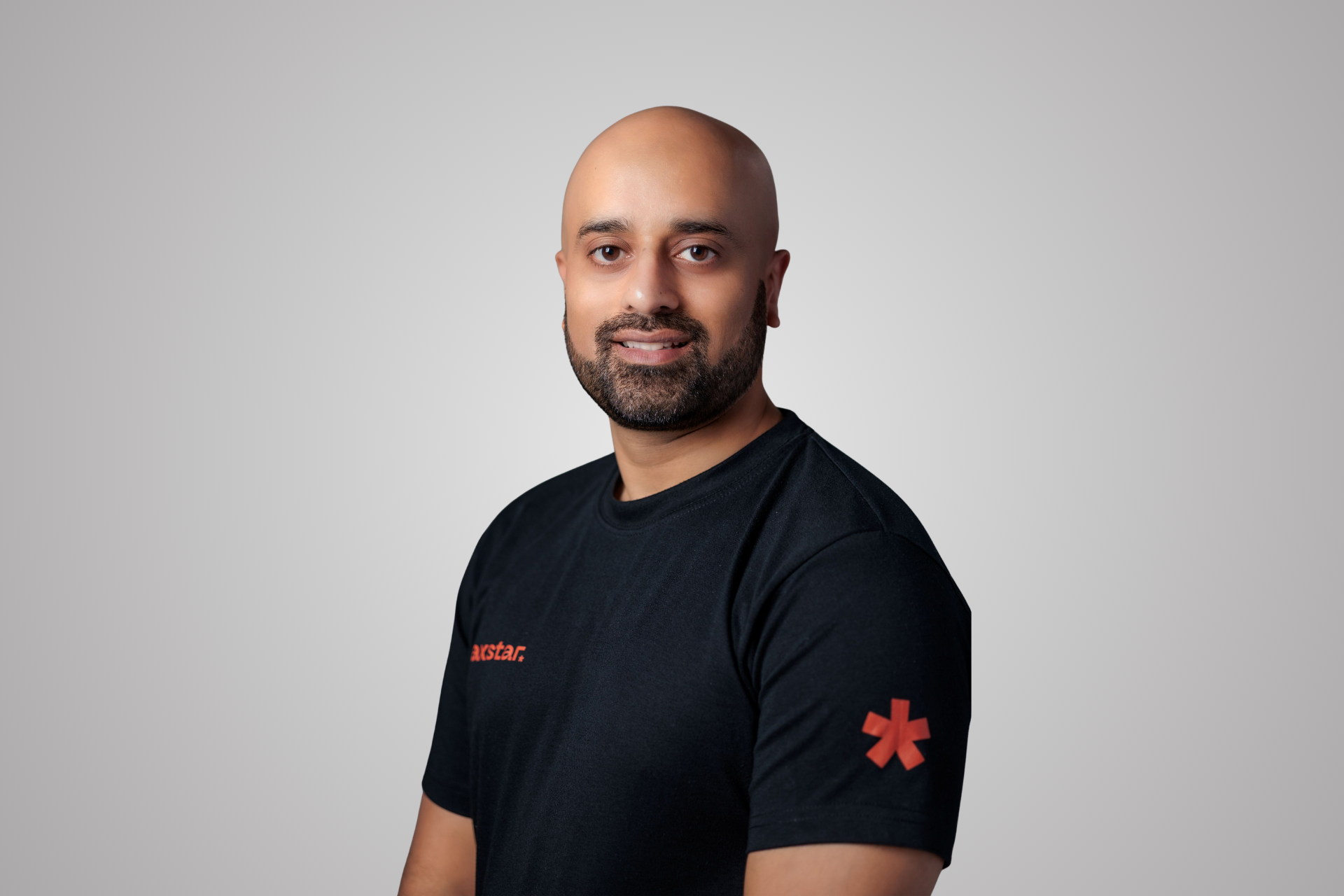


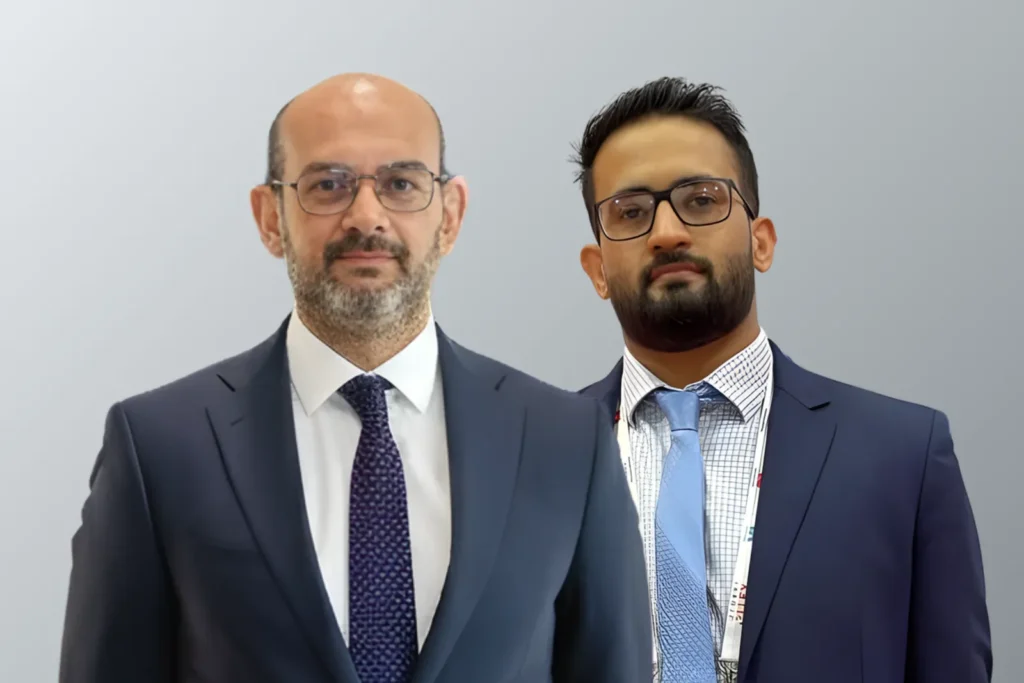
In this exclusive interaction with Catalyst, Ahmed Roshdi, Senior Business Development Manager – Security, Comstor Middle East, and Saurabh Kothiyal, Regional Sales Head, MEA, Kyoto Technologies, share their perspectives on today’s pressing security challenges, the growing relevance of Zero Trust and platform-based security, and how collaborative ecosystems are helping organizations across the region strengthen protection while enabling secure growth.
The security landscape is evolving rapidly. What are the key challenges customers are facing today?
Ahmed Roshdi: Customers today are dealing with a much broader and more complex threat surface. Hybrid work models, cloud adoption, IoT, and increasing reliance on SaaS applications have blurred traditional network boundaries. As a result, security teams are struggling with visibility, fragmented tools, and a shortage of skilled resources. Customers are no longer just asking for point solutions—they want an integrated, scalable security architecture that can adapt as threats evolve.
Saurabh Kothiyal: From a customer perspective, we see growing concern around ransomware, data breaches, and compliance requirements. Many organizations have invested in multiple security tools over the years, but these tools often don’t talk to each other. This creates operational inefficiencies and delayed response times. Customers are looking for simplicity, automation, and measurable risk reduction rather than just more security products.
How have customer expectations around security solutions changed in recent years?
Saurabh Kothiyal: Customers now expect security to be embedded into their digital transformation journey, not added as an afterthought. They want solutions that are easy to deploy, centrally managed, and capable of protecting users, devices, applications, and data—regardless of location. There’s also a strong demand for outcomes, such as reduced downtime, faster threat detection, and improved compliance posture.
Ahmed Roshdi: Exactly. We’re also seeing a shift toward Zero Trust principles and Secure Access Service Edge (SASE) models. Customers expect security platforms to be intelligent, cloud-ready, and capable of leveraging AI and analytics. They want fewer consoles, better integrations, and a consistent security policy across the entire environment.
Why is Cisco Security particularly well suited to address these evolving needs?
Ahmed Roshdi: Cisco’s strength lies in its platform-based approach. Cisco Security integrates networking, identity, endpoint, cloud, and application security into a single architecture. With solutions like Cisco Secure Access, Secure Firewall, Secure Endpoint, and SecureX, customers gain end-to-end visibility and coordinated threat response. This reduces complexity while significantly improving security effectiveness.
Saurabh Kothiyal: From an implementation and customer engagement standpoint, Cisco stands out because its security solutions are built on deep network intelligence. Cisco can see threats where they originate—across the network, users, and applications. This gives customers faster detection, automated response, and better business continuity. It’s not just about blocking threats; it’s about enabling secure business operations.
How does Cisco help organizations move toward a Zero Trust security model?
Ahmed Roshdi: Cisco Zero Trust is built around the principle of “never trust, always verify.” Cisco uses identity as the new perimeter, combining multi-factor authentication, device posture, network segmentation, and continuous monitoring. Whether users are accessing applications from the office, home, or the cloud, Cisco ensures secure, policy-based access without compromising user experience.
Saurabh Kothiyal: What customers appreciate is that Cisco Zero Trust is not a rip-and-replace approach. Organizations can adopt it gradually, leveraging their existing Cisco infrastructure. This makes the transition practical, cost-effective, and aligned with real business priorities.
What role do partners like Comstor and Kyoto Technologies play in delivering Cisco Security solutions?
Saurabh Kothiyal: Partners play a critical role in translating technology into real business value. At Kyoto Technologies, we work closely with customers to understand their risk profile, compliance needs, and growth plans. We then design and implement Cisco Security solutions that are tailored, scalable, and aligned with their long-term strategy.
Ahmed Roshdi: As a specialized distributor, Comstor enables partners by providing deep technical expertise, enablement, and go-to-market support around Cisco Security. Our role is to ensure that partners are fully equipped to position, deploy, and support Cisco’s advanced security portfolio, helping customers achieve better outcomes faster.
How does Cisco Security support organizations in the Middle East specifically?
Ahmed Roshdi: The Middle East is undergoing rapid digital transformation, driven by cloud adoption, smart cities, and national digital initiatives. Cisco Security is well aligned with these initiatives, offering solutions that support regulatory compliance, data sovereignty, and large-scale digital ecosystems. Cisco’s global threat intelligence combined with local partner expertise creates a powerful advantage.
Saurabh Kothiyal: We also see strong demand for managed security and lifecycle services in the region. Cisco’s architecture allows partners to offer value-added services such as monitoring, incident response, and continuous optimization, which is especially important given the cybersecurity skills gap.
Looking ahead, what trends will shape the future of cybersecurity, and how is Cisco preparing for them?
Saurabh Kothiyal: AI-driven attacks, supply chain vulnerabilities, and increasing regulatory pressure will be major challenges. Organizations will need security platforms that are predictive, automated, and resilient. Cisco’s focus on AI, analytics, and integrated platforms positions it well for this future.
Ahmed Roshdi: Cisco is investing heavily in AI-powered security, unified management, and secure cloud connectivity. The goal is to help customers stay ahead of threats while enabling innovation. With Cisco, security becomes a business enabler rather than a barrier.
Final thoughts—why should organizations consider Cisco Security now?
Ahmed Roshdi: Because security is no longer optional, and complexity is the enemy of resilience. Cisco offers a proven, scalable, and integrated security platform that evolves with customer needs.
Saurabh Kothiyal: Cisco Security gives organizations confidence—the confidence to grow, innovate, and operate securely in an increasingly digital world.
Final Thoughts
As digital transformation accelerates, security must move from fragmented tools to integrated, platform-driven architectures. By embracing Zero Trust, AI-powered intelligence, and strong partner collaboration, organizations can reduce complexity, strengthen resilience, and enable secure, sustainable growth in an increasingly complex threat landscape.
All Content Rights Reserved by Catalyst.