

There are Investment Technology startups in Africa, including MoneyFellows, ARM Pensions, Bamboo, Thndr and CowryWise. It is interesting to witness that 209 startups have been funded, with 34 having received Series A+ funding. (Source – Tracxn)
The future of artificial intelligence is already taking shape across Africa – in classrooms, research labs, creative studios, and SMEs. In a recent announcement, Google announced a $37 million investment in artificial intelligence (AI) initiatives throughout the African continent. It is a great opportunity for communities across Africa to reimagine how artificial intelligence can be used to solve a variety of problems. From climate resilience and agriculture to healthcare, education, and local language access, the continent is already home to some of the most innovative research and artificial intelligence initiatives. As part of the funding, a wide range of programs will be supported, including local research, language innovation, food security solutions, and startup development in sectors such as health and education.
Language inclusion is also central to responsible AI development. In a parallel move, more than 40 African languages will benefit from Google’s $3 million contribution to the Masakhane African Languages AI Hub.
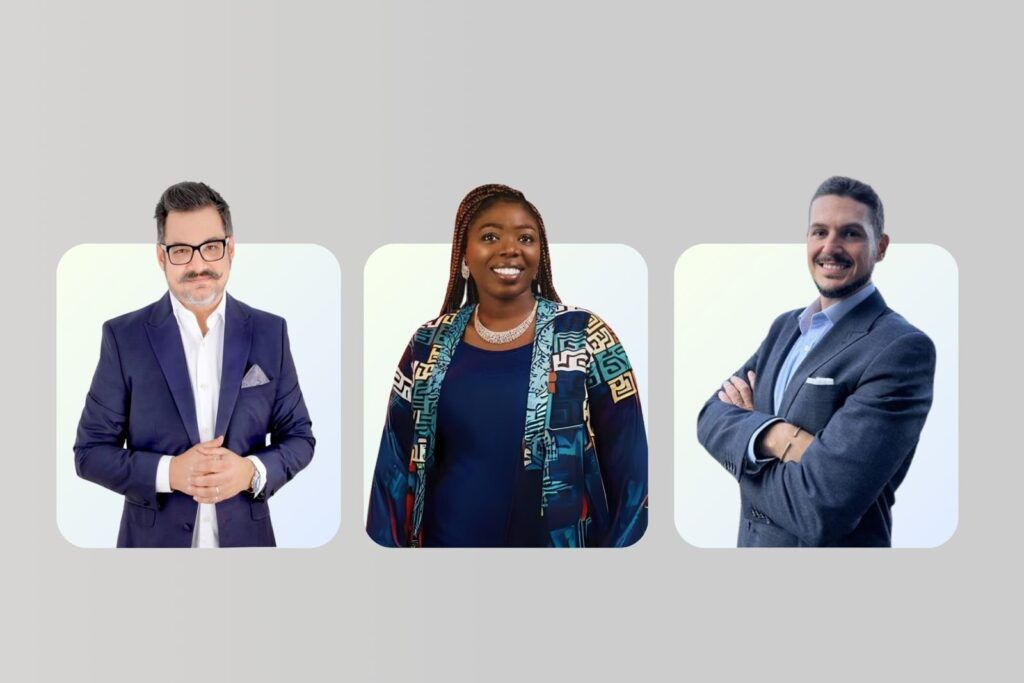
The Catalyst connected with industry stalwarts to gather their perspectives on Google’s latest move in Africa.

“Africa’s linguistic diversity is not just a cultural asset. I dare say, it’s a global opportunity waiting to be unlocked through inclusive AI. Most African languages remain digitally invisible due to the underrepresentation of dialects and non-standard scripts. This digital gap highlights the urgent need for locally built context-aware AI systems that truly reflect the linguistic and cultural diversity of the continent. With minimal African participation in model development, we risk building a future where millions remain unheard and unseen. Moreover, the lack of NLP tools for local use cases—such as sentiment analysis, speech-to-text, and accurate machine translation—continues to limit access, innovation, and inclusion.” said Tinuade Oguntuyi, General Manager Technical, Information Connectivity Solutions Limited (ICSL).
The announcement by Google was made at the launch of a new AI Community Center in Accra, Ghana. This facility will serve as a regional hub for training, experimentation, and collaboration in the field of artificial intelligence.

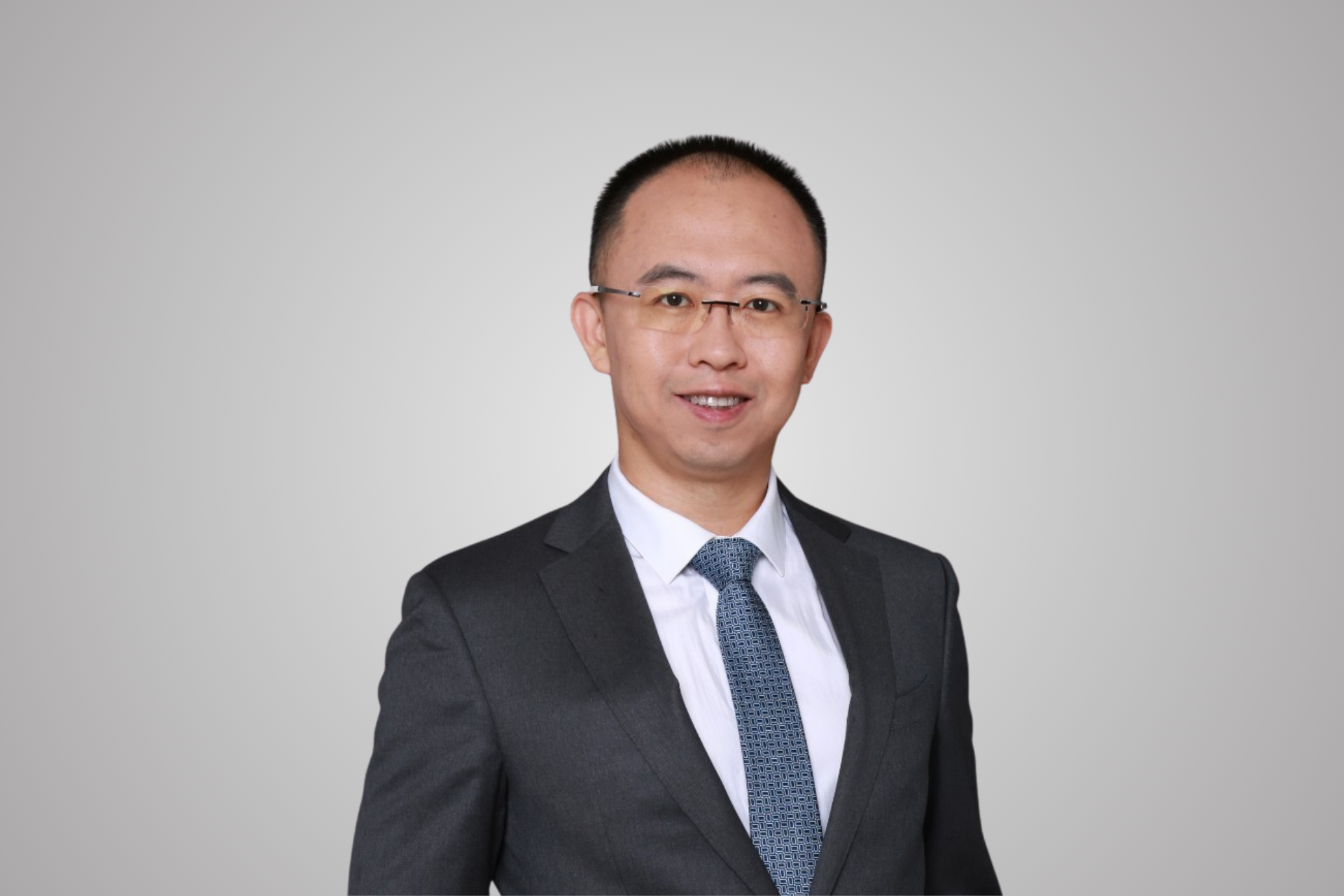
“Google’s investment is a fantastic catalyst for accelerating Africa’s AI journey. This kind of commitment to research, talent, and infrastructure is exactly what’s needed to unlock the region’s immense potential. At Dataiku, we have seen firsthand how local innovation thrives when given the right support and we’re excited about the opportunities this will create for a more inclusive and globally connected world.” said Sid Bhatia, Area VP & General Manager for the Middle East, Turkey & Africa at Dataiku.
This latest investment builds on earlier efforts by Google to address African-specific challenges through artificial intelligence. Artificial intelligence is expected to contribute $30 billion to Africa’s economy by 2025, so investments such as Google’s may contribute to achieving this goal.
“It’s a fascinating and timely development that says as much about the trajectory of AI as it does about Africa’s own evolving role in the global innovation ecosystem. Viewed alongside the wave of record-setting investments in AI hubs like the GCC and Southeast Asia, Google’s $37 million commitment to Africa signals a shift towards a multipolar AI future, one that no longer hinges solely on Silicon Valley or Beijing.

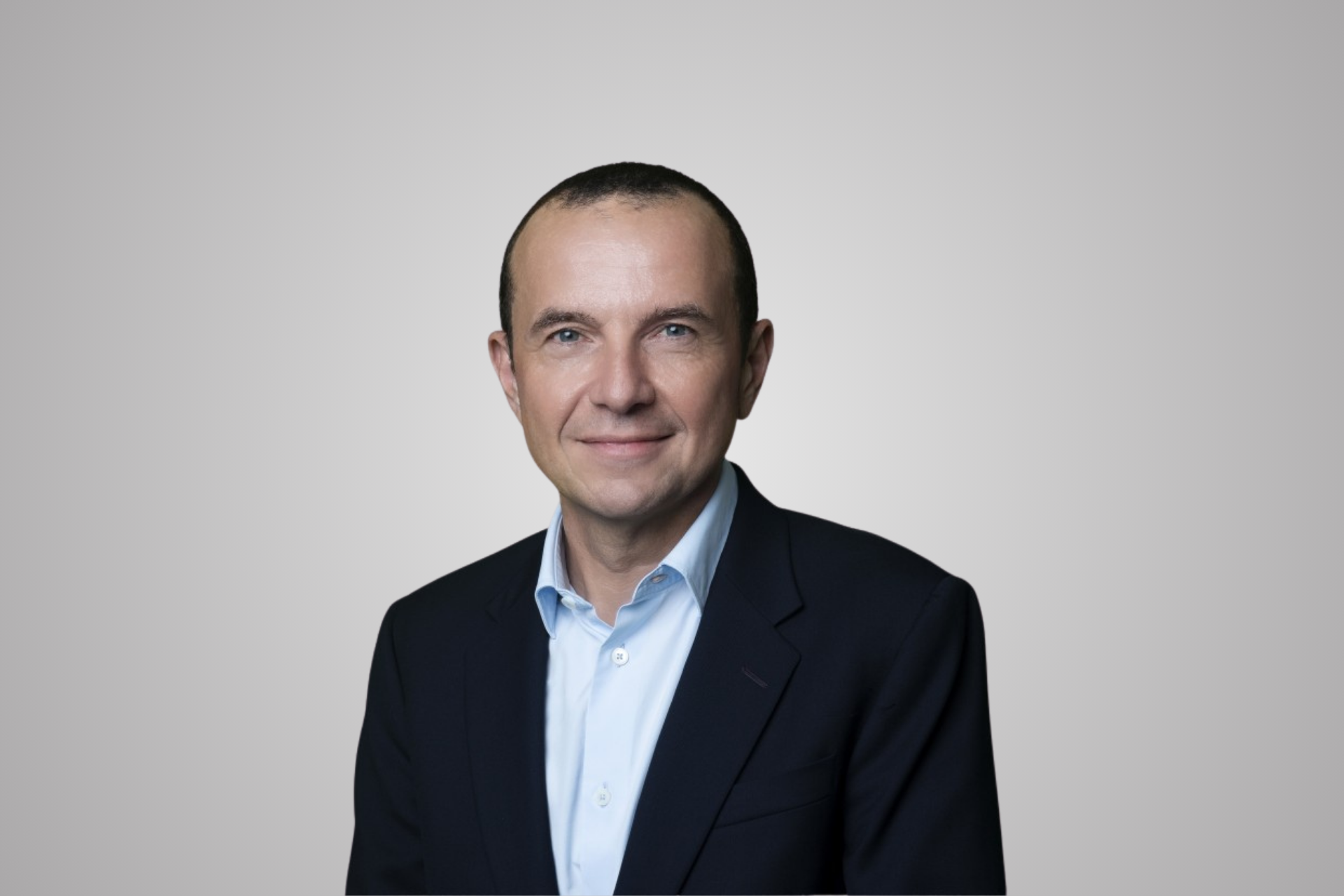
What this really underscores is an emerging geopolitical truth: if AI is to truly reflect and serve a global population, its development must be culturally, geographically and ethically inclusive. In this sense, Africa’s inclusion is not merely symbolic, but rather strategic.’’ said Levent Ergin, Chief Strategist for Climate, Sustainability and AI, Global Head of ESG Strategic Alliance Partnerships at Informatica.
Tinuade said “This is Africa’s chance to move ancestral wisdom from human memory to machine — to digitize, preserve, and scale what’s long been held in oral tradition.
Indigenous knowledge is not primitive, it’s precise. With the right AI investments, we can transform folklore into datasets and oral traditions into intelligent systems. This isn’t just about technology; it’s about cultural continuity and digital sovereignty. Imagine AI learning our stories, our medicines, our languages — not to extract, but to empower. That’s when we move from being passive consumers to active co-creators of AI that truly reflects who we are.”
“We’ve seen similar lessons play out before. Africa didn’t follow the traditional route to financial inclusion. Instead, it leapfrogged legacy banking systems with mobile money, pioneering models like M-PESA that became global case studies. The same can now be said of AI. Innovation in the continent doesn’t need to mirror Silicon Valley norms and will stand to deliver greater impact and inspiration when they diverge and disrupt.” Levent added.
A young, rapidly growing population and a culture of creative problem-solving make Africa a valuable contributor to a world in which technology is rapidly reshaping itself. The momentum is undeniable, Africa is no longer just a consumer of technology, but a rising architect of its future.
All Content Rights Reserved by The Catalyst.