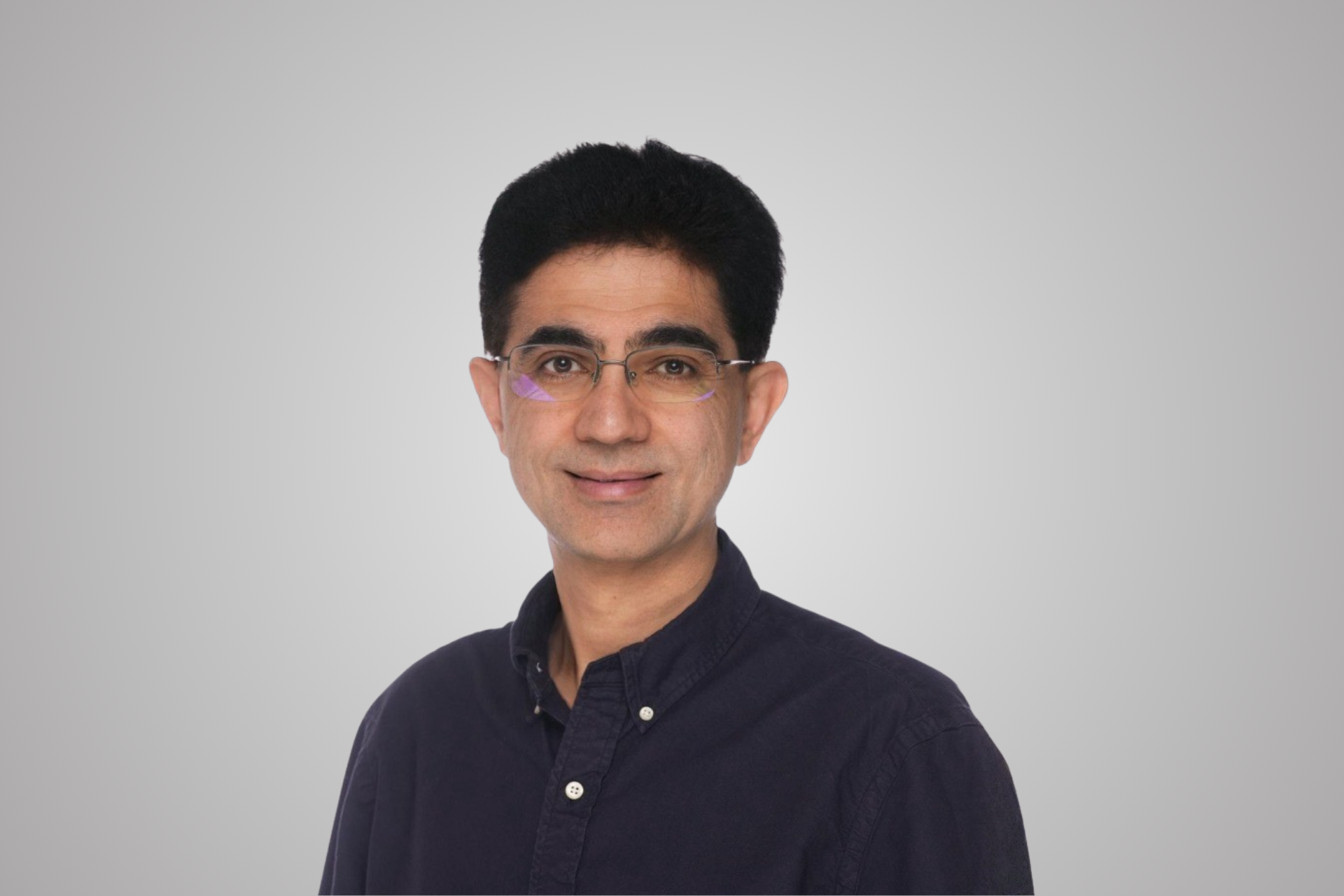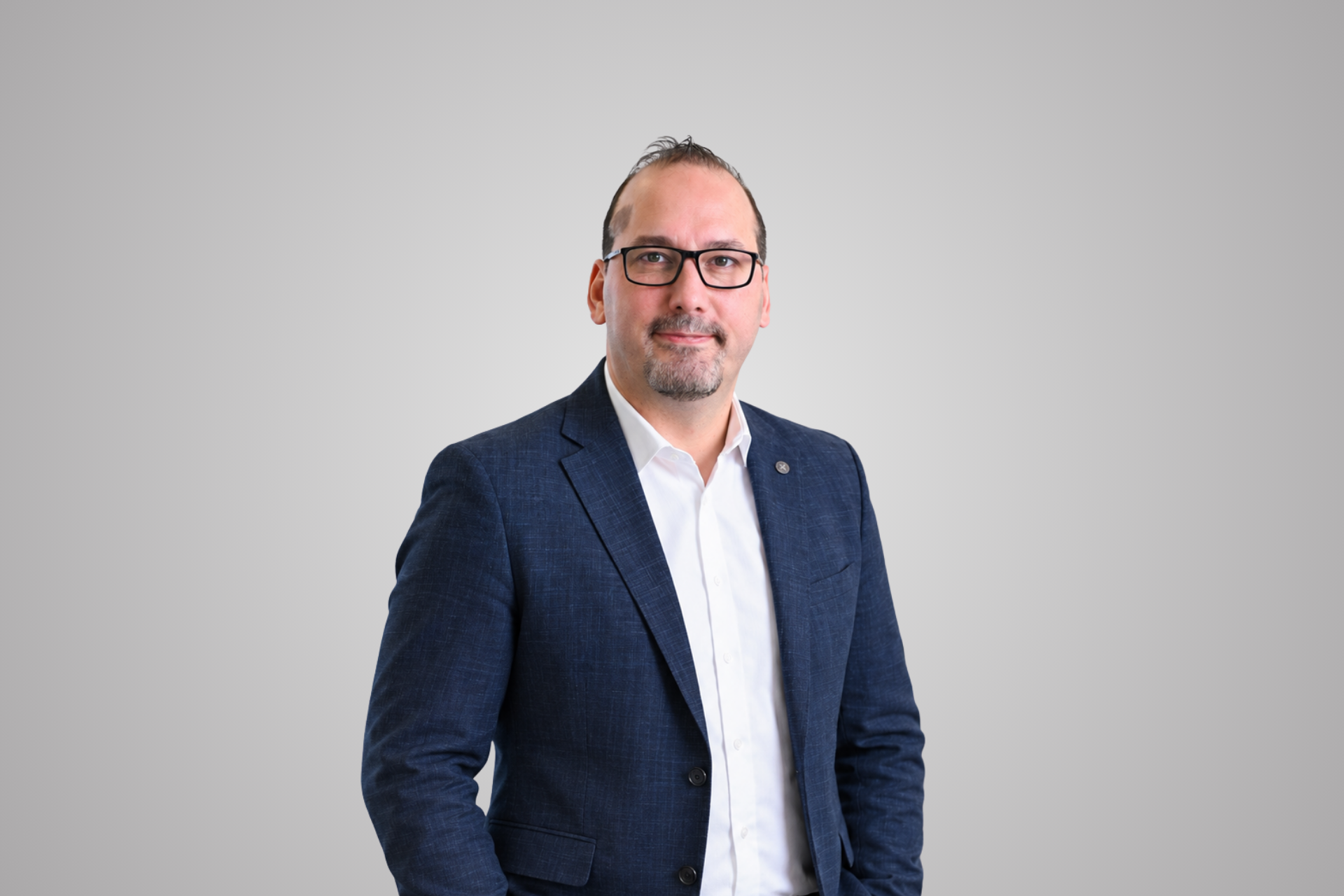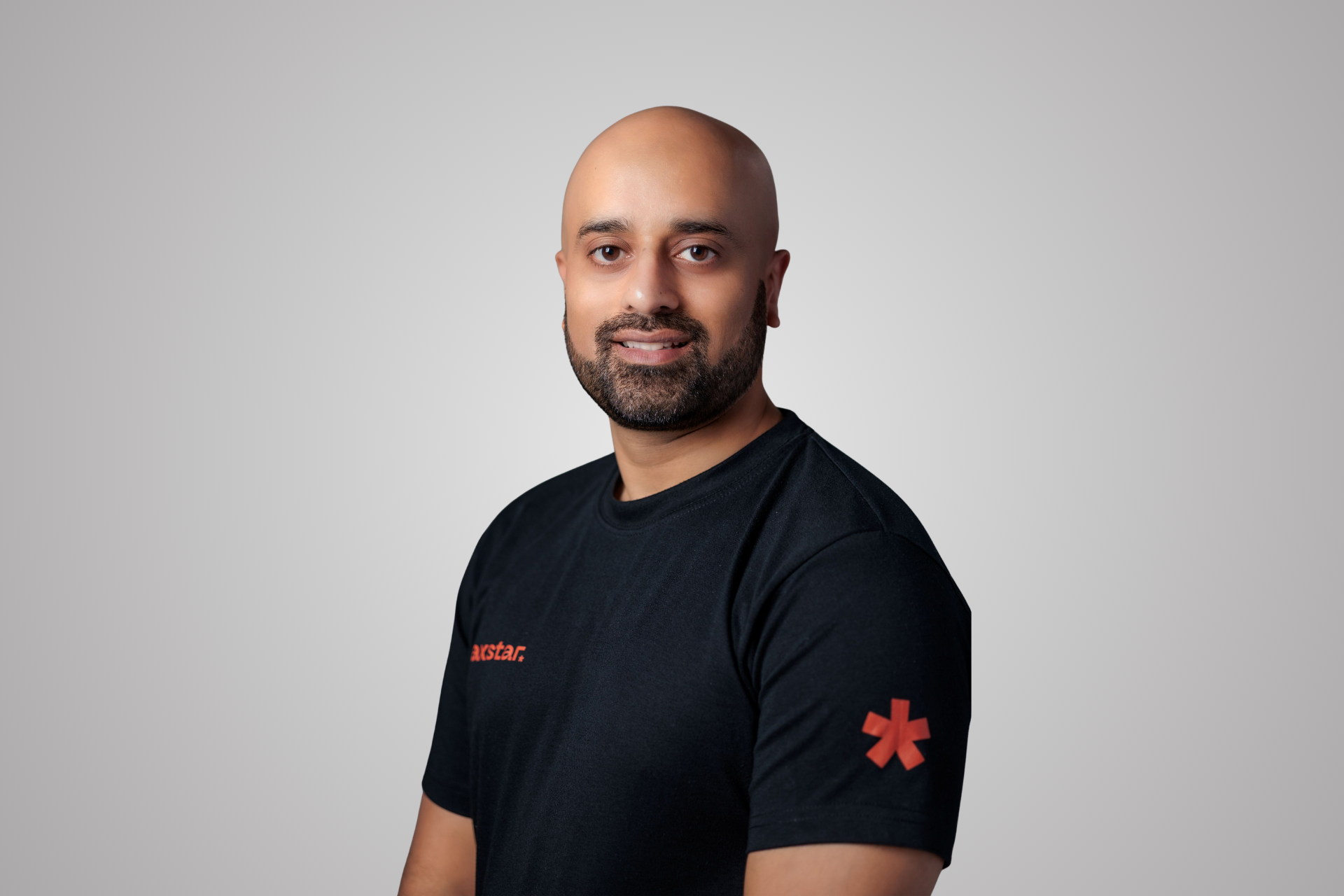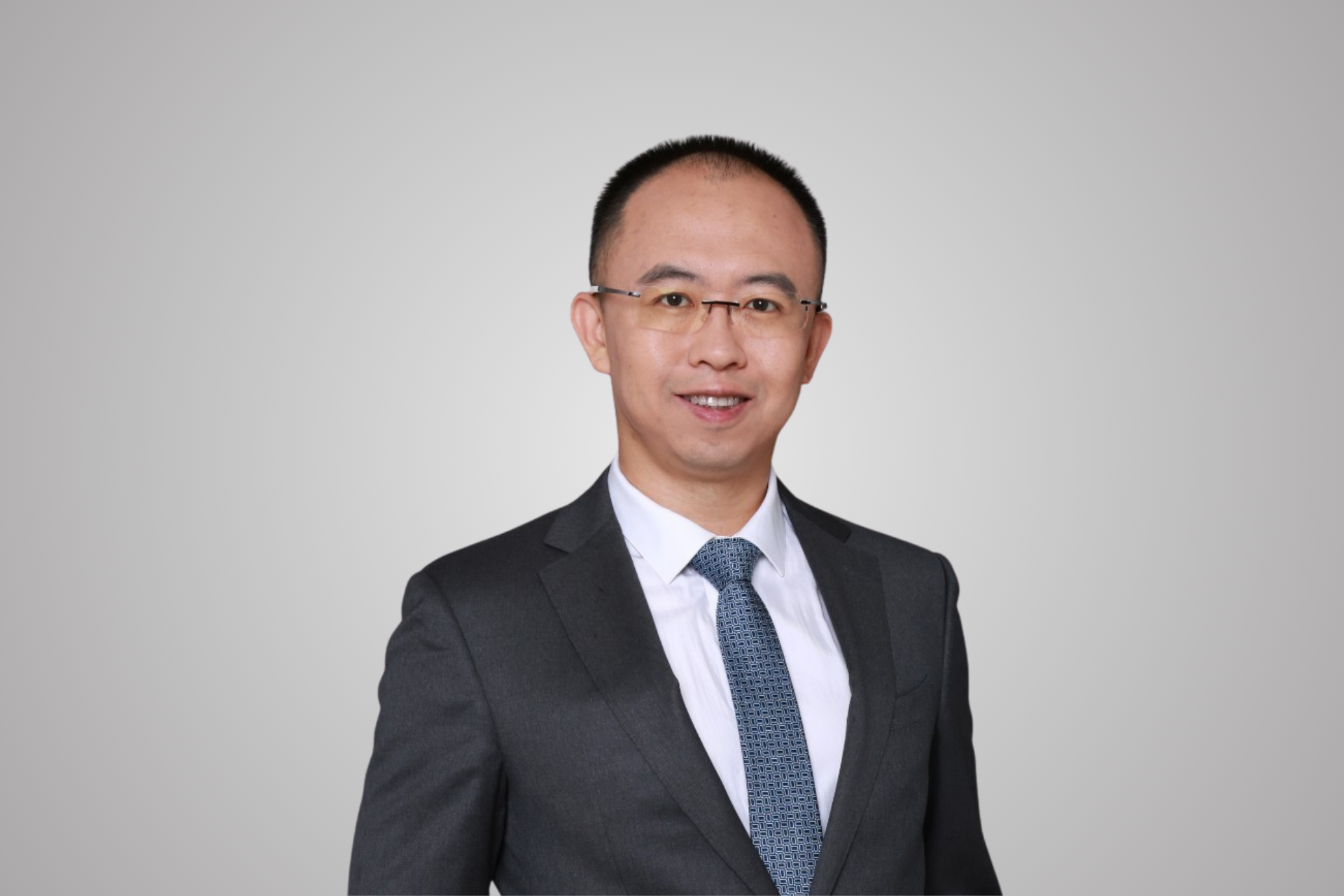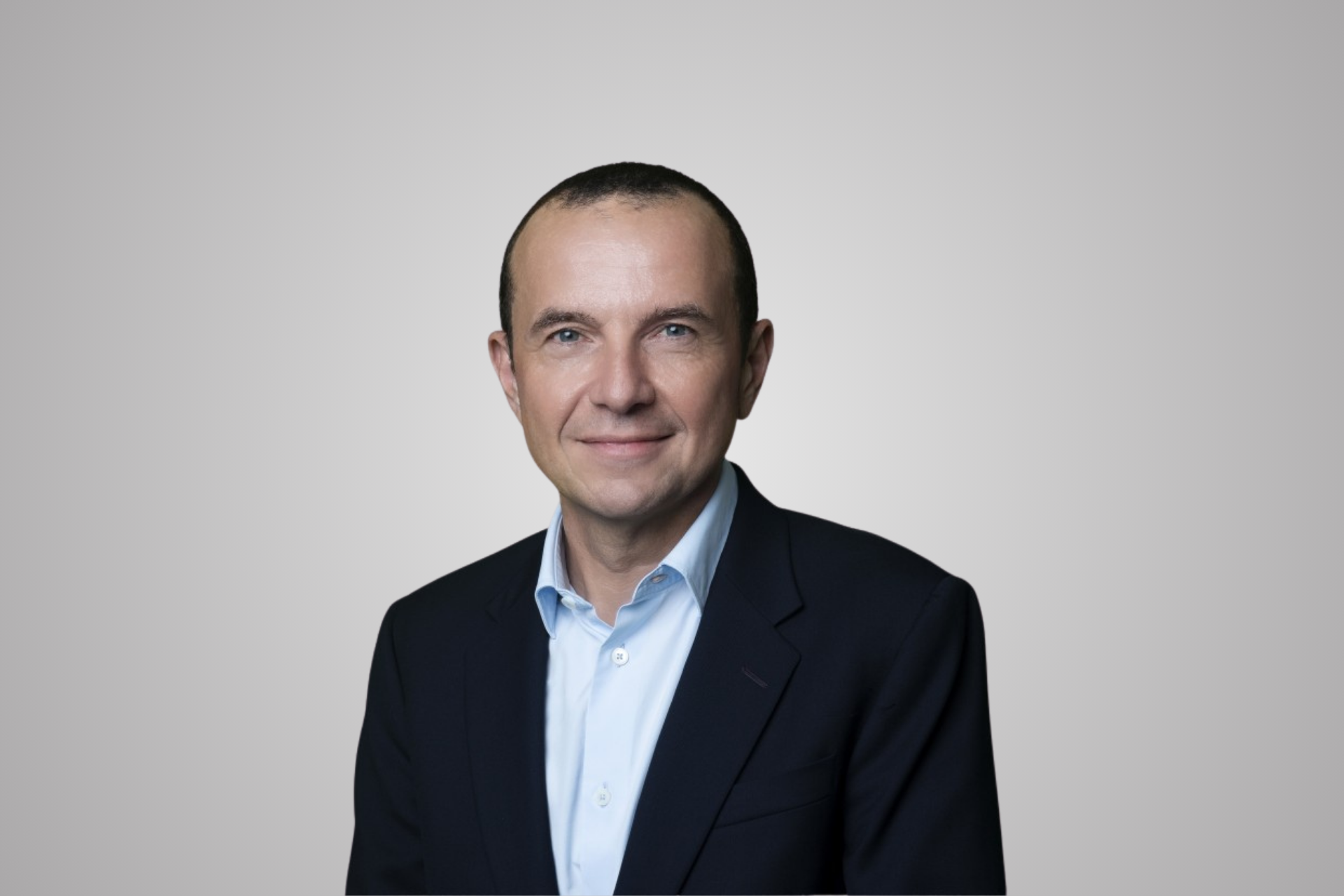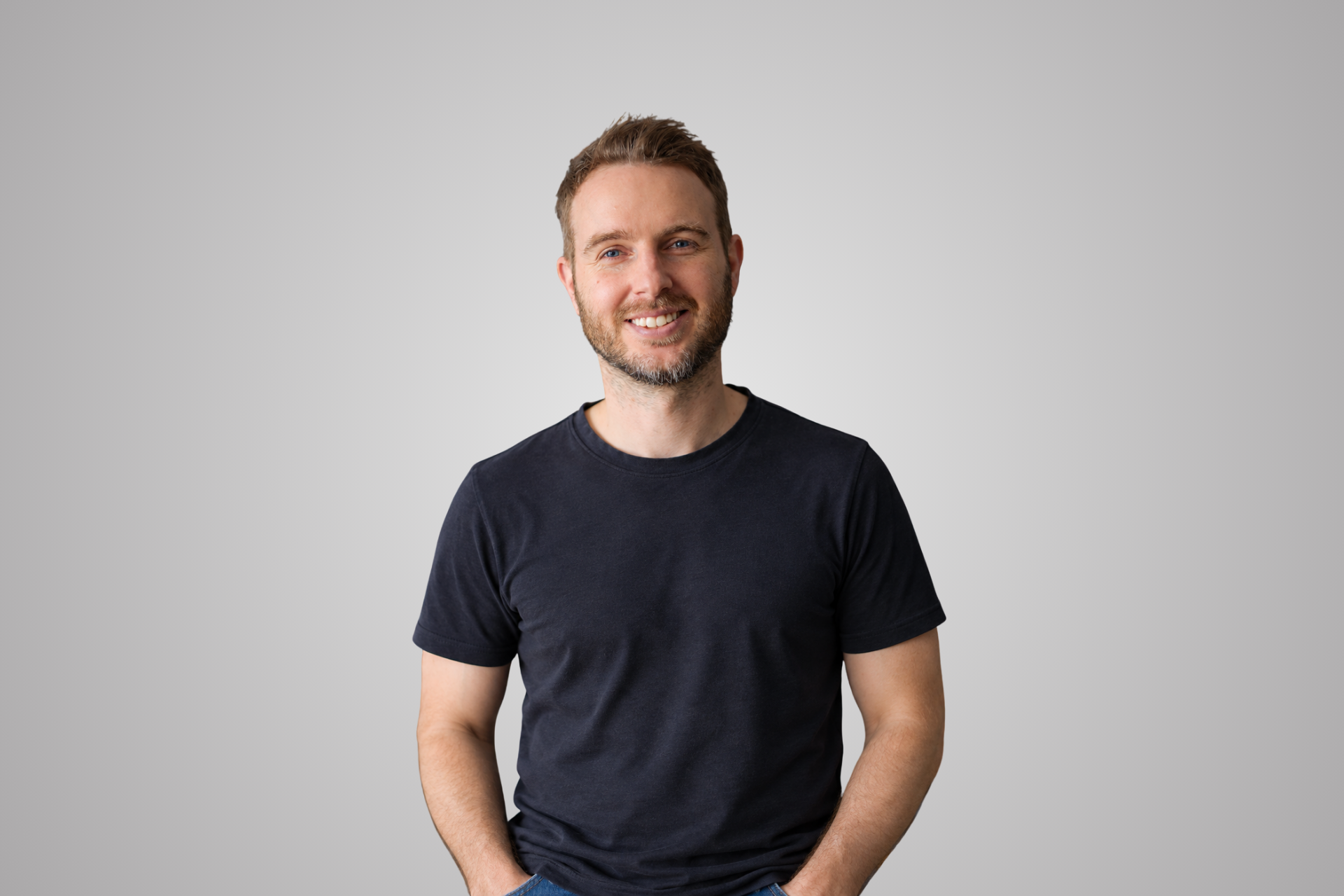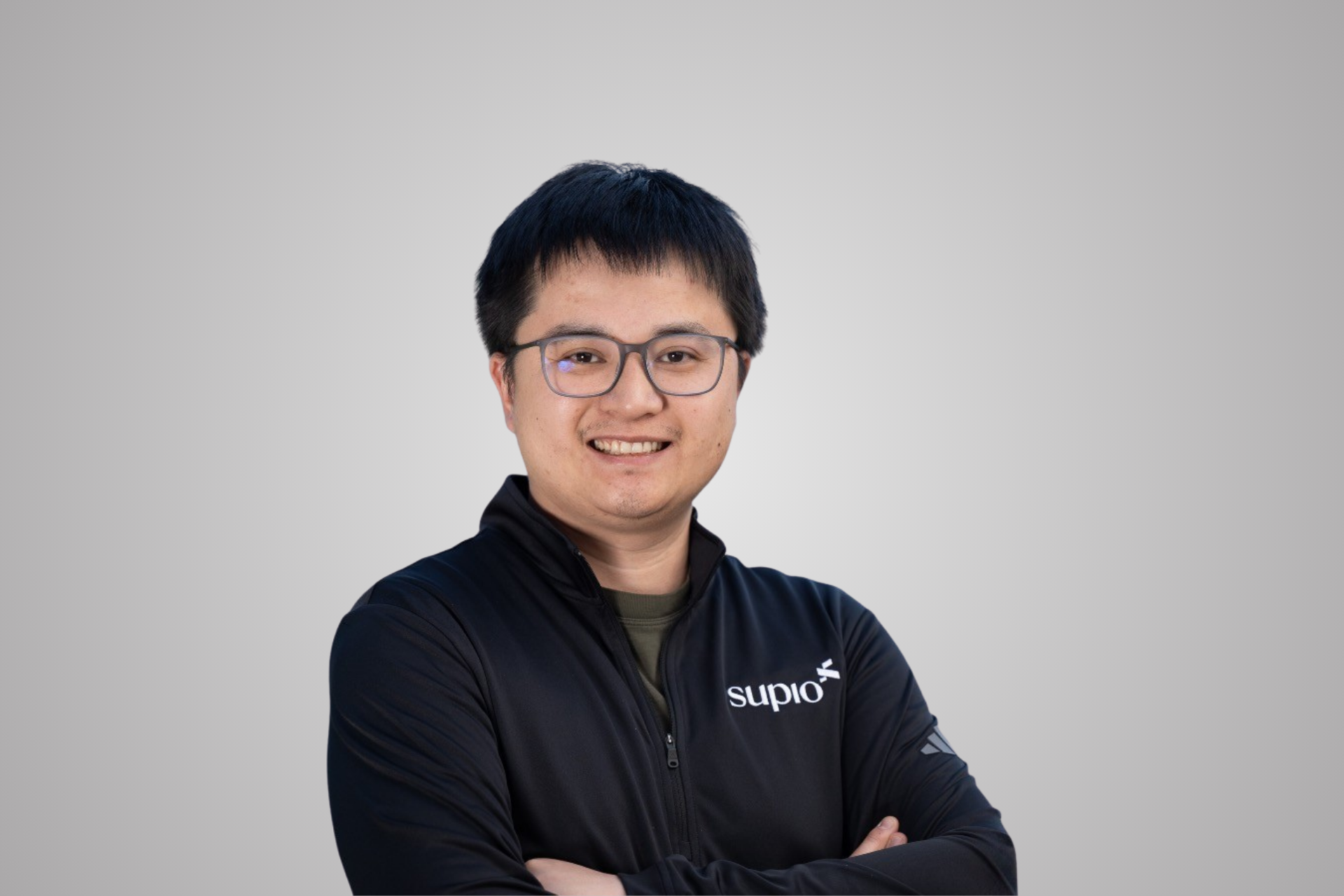



In this exclusive interaction with The Catalyst, XPANCEO’s founders Valentyn Volkov and Roman Axelrod share their insights on nurturing future tech leaders, driving regional innovation, and why deep tech holds the key to solving humanity’s biggest challenges.
What inspired XPANCEO to partner with the University of Dubai, and how does this fit into your long-term vision for innovation?
Valentyn: At XPANCEO, we’re driven by the idea that the future of technology is inseparable from the future of talent. Partnering with the University of Dubai was a natural step because it’s a forward-thinking academic institution deeply embedded in the UAE’s innovation ecosystem. This collaboration is not just symbolic; it is strategic. We are focused not only on developing advanced technologies but also on building the ecosystem that will support and sustain them.
We envision AI-powered XR computing becoming an integrated, nearly invisible part of daily life—not carried in a pocket or worn on a wrist but placed directly on the eye. Our ultra-thin, flexible smart contact lens prototypes already offer functionalities like image projection, night vision, real-time health monitoring, colour correction, and wireless data transfer. More than a technological leap, this marks a profound shift in mindset rooted in the principles of transhumanism, where the fusion of biology and technology helps transcend the physical limitations of the human body.
By combining the University of Dubai’s academic excellence, infrastructure, and global outlook with our expertise in deep-tech research and development, we are laying the groundwork for the next generation of human-centric innovation.
How does this MoU support national goals like talent retention, technology transfer, and industry-academia collaboration?
Valentyn: This partnership is a direct response to the UAE’s vision of becoming a global hub for innovation. Through joint R&D initiatives, students from the University of Dubai gain hands-on experience with cutting-edge technologies, and many of them will stay and build their futures here in the Emirates. In addition, we create channels for technology transfer by collaborating on experiments, publications, and real-world testing. Add to that a steady pipeline of conferences, hackathons, and academic co-supervision, and you get a model that tightly integrates academia and industry, reinforcing the UAE’s innovation infrastructure.
How does XPANCEO plan to cultivate the next generation of innovators through this partnership?
Valentyn: We’re giving students access to the frontlines of deep-tech innovation, whether it’s advanced optics or nanomaterials. From lab access and research mentorship to collaborative projects, our goal is to shift students from passive learners to active inventors. Their involvement goes beyond academic observation. They are assisting in shaping the future of technology, and that firsthand exposure is what transforms curious minds into true innovators.
What role does mentorship play in shaping future tech leaders, and how will XPANCEO contribute to that?
Valentyn: Mentorship is a core part of our operation, and we offer more than traditional internships. Students will have an opportunity to be integrated into our research and development teams, where they work alongside scientists and engineers pushing the boundaries of their fields. By co-supervising research and offering personalized guidance, we help the most talented students develop technical proficiency as well as the mindset needed to lead in an era of rapid change. Through this approach, we aim to inspire and equip the forthcoming generation of technological pioneers.
According to you, what makes the UAE an ideal environment for deep tech experimentation and commercialization?
Roman: The UAE has built an open and forward-looking innovation ecosystem that attracts top talent worldwide. Its stable political climate, robust infrastructure, and strong government programs supporting science, technology, and entrepreneurship create fertile ground for breakthroughs. Additionally, the UAE offers a business-friendly environment with low taxes and a strategic geographic location at the crossroads of global trade routes — right at the literal center of the Mercator projection map. This unique combination of factors, along with a cultural enthusiasm for bold and visionary ideas, makes cities like Dubai vibrant hubs for deep-tech experimentation and commercialization, attracting experts and innovators from across the globe.
What role do you see deep tech playing in solving some of humanity’s most pressing global challenges over the next decade?
Roman: Deep tech is a driving force behind the next era of global problem-solving. At its core, the deep tech concept is about investing significant time and resources today to enable transformative breakthroughs in the future. Looking forward, we believe deep tech will redefine possibilities across multiple sectors, including medicine, sustainability, education, and space exploration. Smart contact lenses, for example, use less energy and fewer materials than traditional electronic devices while opening new avenues for accessible healthcare, early diagnostics, and improved vision for individuals with impairments.
In the coming years, humanity’s boldest goals will center on venturing beyond Earth — establishing a presence in space, surviving on other planets, and embracing transhumanist visions to redefine what it means to be human. All of this will be impossible without breakthroughs in deep tech.
How is this partnership helping grow the innovative ecosystem in the UAE and the broader MENA region?
Roman: This MoU sets a blueprint for what meaningful collaboration between academia and industry can look like. It fosters interdisciplinary research, accelerates knowledge transfer, and creates new educational and innovation clusters. It also helps open access to global talent and deep-tech research. Together, we’re not just contributing to the UAE’s innovation landscape, we’re helping position the entire MENA region as a serious player in the global deep tech arena. As the President of the University of Dubai, Dr. Eesa Al Bastaki said: they are preparing pioneers of the Fourth Industrial Revolution, and we’re proud to walk that journey with them.
This partnership exemplifies how industry and academia can unite to shape the future of innovation. By blending cutting-edge research with real-world application, it not only supports national goals but also positions the MENA region as a rising force in the global deep tech landscape. With a focus on talent development, transhumanist technology, and long-term impact, this collaboration is paving the way for a more integrated, intelligent, and ambitious future.
All Content Rights Reserved by The Catalyst.