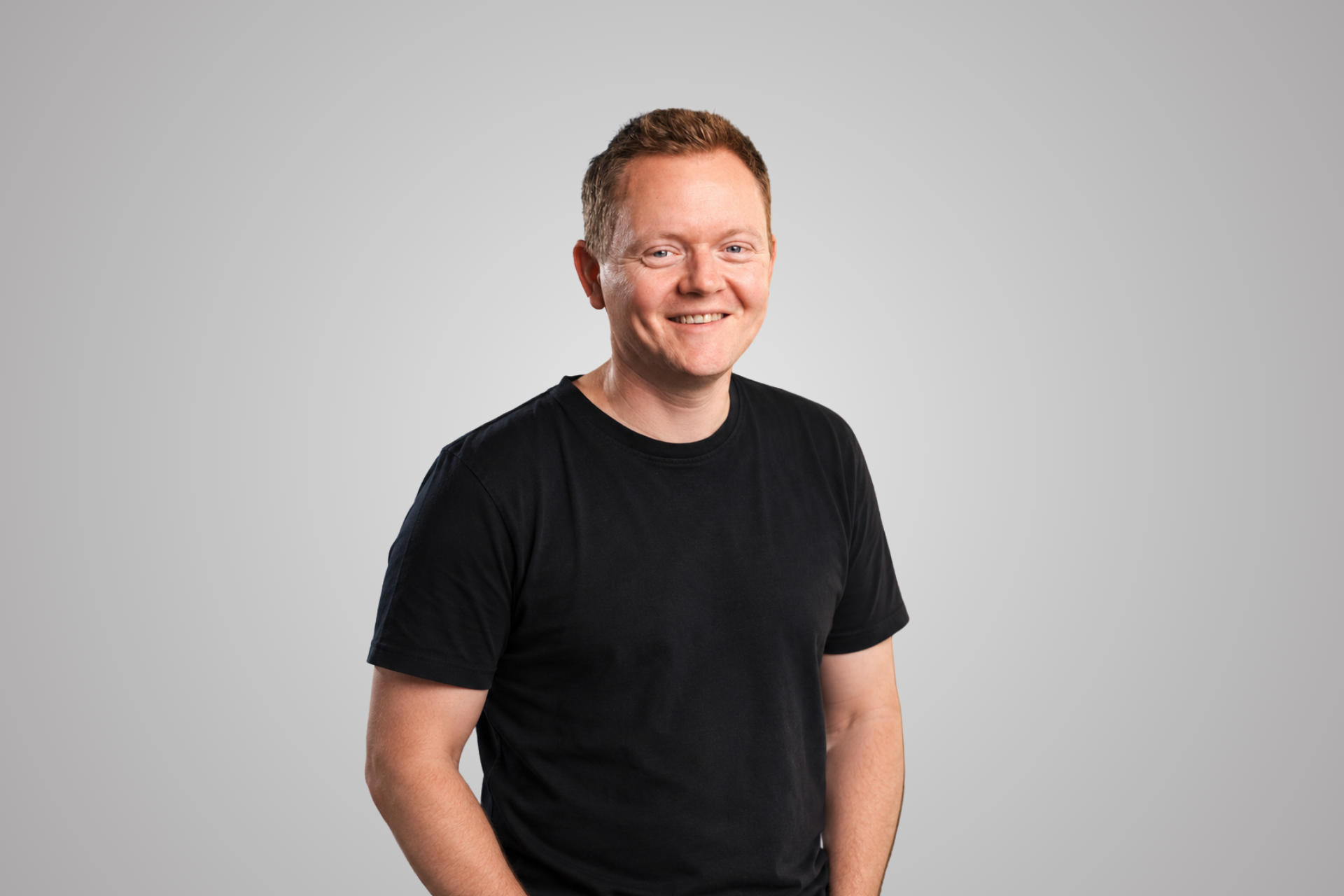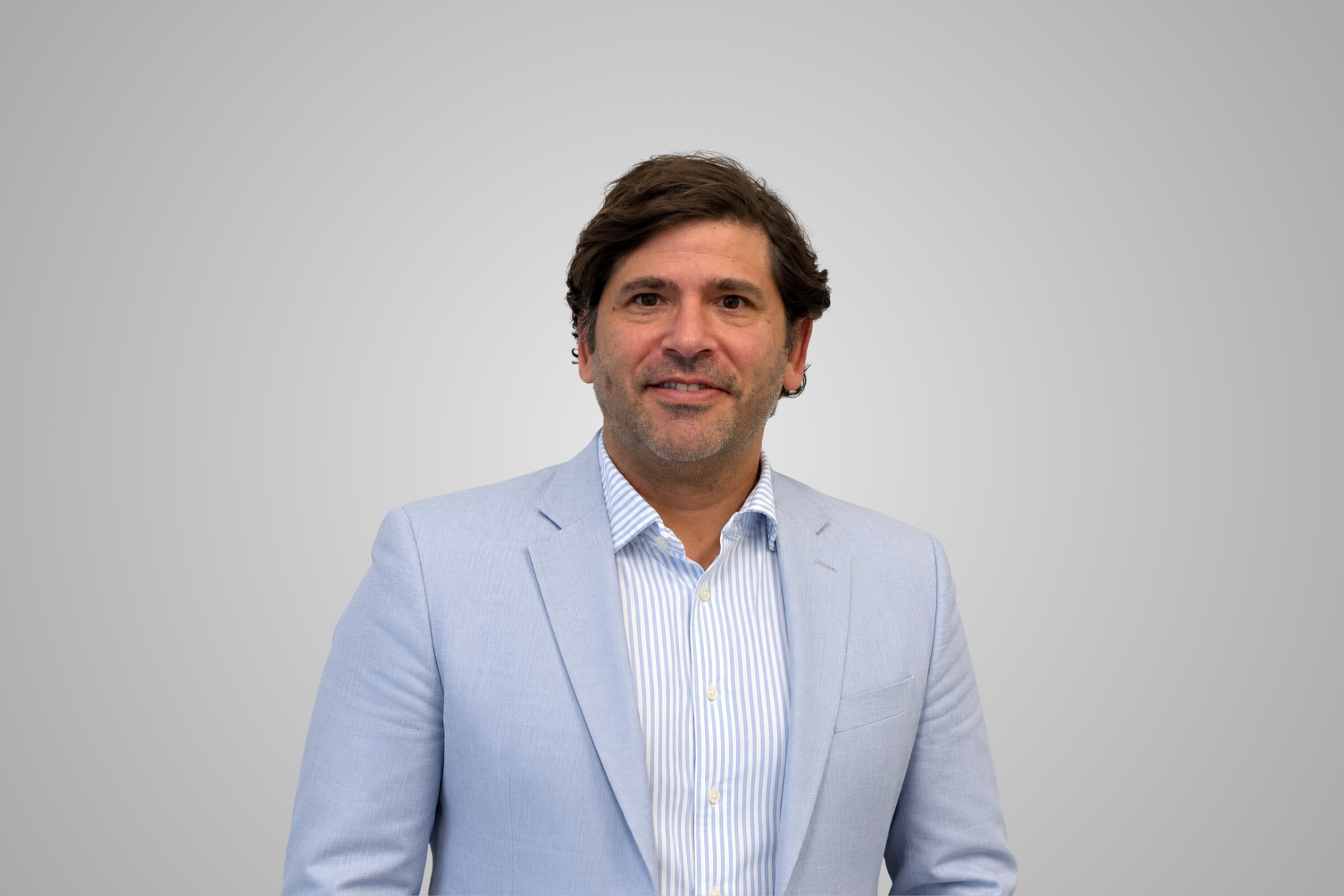


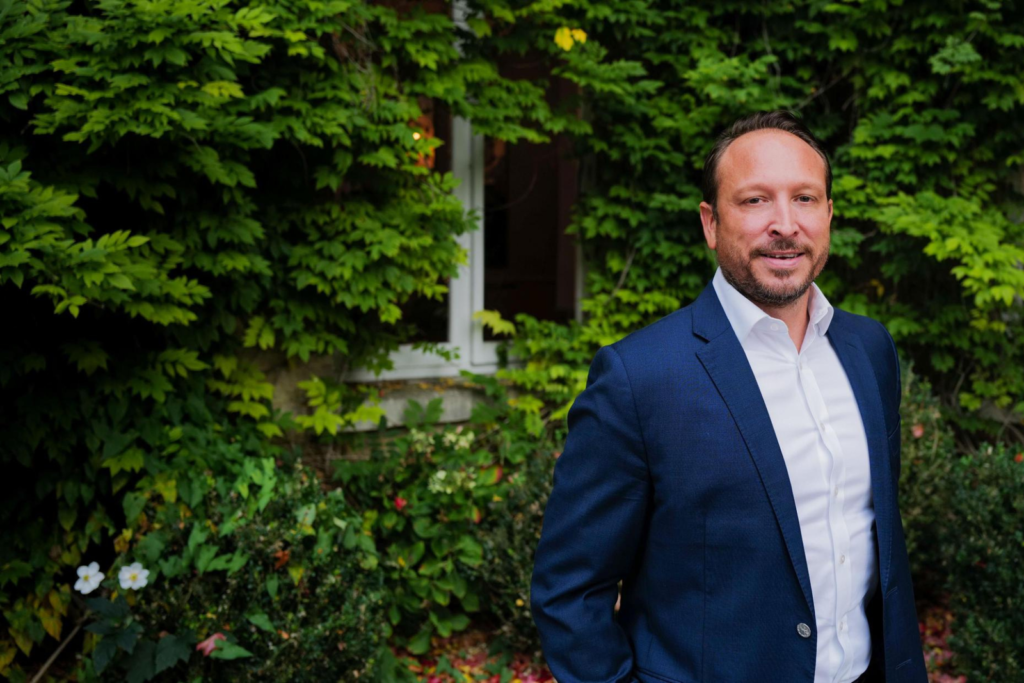
In this exclusive interaction with The Catalyst, Kevin Brzezinski, Chief Sustainability Officer at Westcon-Comstor, shares insights into the company’s accelerated renewable energy journey, its ambitious 2030 and 2050 targets, and how responsible distribution is shaping the future of the industry.
Westcon-Comstor has already transitioned fully to renewable energy in the UK – its key European market – as well as in Australia and New Zealand. What factors enabled this accelerated shift in these regions?
In all three countries, we have made good progress installing solar panels at our logistics facilities, while switching to renewable energy electricity tariffs to ensure clean power across our offices and warehouses. In line with our 2030 goal to power 100% of our operations globally purely by renewables, we are of course aiming to replicate this success in other countries across Europe, Middle East and Africa (MEA) and Asia-Pacific (APAC).
As CSO, what does sustainability leadership mean to you in the context of a global technology distributor?
As CSO my primary responsibilities are clear – reduce greenhouse gas emissions, promote renewable energy, and collaborate with our technology vendors and partners to foster a more sustainable IT channel. For me, sustainability leadership in a global company like Westcon-Comstor means embedding environmental and social responsibility into the core of our strategy.
Not as a side initiative, but as a driver of innovation, resilience and long-term value. It’s about setting ambitious goals, maintaining transparency, and empowering every part of the business to contribute. True leadership also means listening to our stakeholders, partners and employees and using that insight to shape solutions that are both globally scalable and locally relevant. Ultimately, it’s about leading with purpose and ensuring that sustainability is not just what we do, but how we think.
There has been strong progress on Scope 1 and 2 reductions. Which areas do you see as the biggest opportunities for further cuts?
Within Scope 1 and 2 emissions, we want to accelerate our renewable energy transition. Key objectives for our current financial year include conducting a formal review of renewable electricity procurement options across our operations, while improving energy-related insights within our facilities across Asia and developing a roadmap to reduce our environmental impact. In terms of Scope 3 emissions, we are working to improve data collection and processing procedures and expand our supply chain engagement programme to include fast-growing vendors and other strategic suppliers.
You have set ambitious targets for 2030 and 2050. What are the immediate next steps to ensure you remain on track to achieve them?
Our latest Responsible Business report shows that we’re making real progress in cutting Scope 1 and 2 emissions and expanding our use of renewables. While these achievements mark significant progress, we acknowledge the need for continuous improvement. We are dedicated to accelerating progress in emission reductions, both within our business and throughout our supply chain. We recently completed a company-wide double materiality assessment in accordance with the requirements of the European Sustainability Reporting Standards.
This comprehensive analysis involved extensive engagement across our company and external stakeholders, identifying the most significant social and environmental impacts, risks and opportunities. The output of this assessment has provided insights which are guiding our Responsible Strategy into the current financial year and beyond. Challenges remain, particularly around Scope 3 emissions due to our lack of direct control, but we continue to invest in improving our ESG performance and explore new ways to take meaningful action to reduce our environmental footprint in line with our environmental policy and science-based targets.
How do you balance business growth, profitability, and your aggressive sustainability commitments?
I firmly believe that business growth and sustainability go hand in hand. It isn’t a zero-sum game. On the contrary, our planet strategy plays a crucial role in how we deliver partner success. Our partners and vendors rely on us to operate responsibly, remain compliant with national and international regulations, and collaborate with upstream value-chain partners to drive sustainable innovation in the upstream value chain. We are determined to lead by example and minimise our carbon footprint across all operations and our supply chain.
Beyond environmental impact, what business or competitive advantages does responsible distribution create for vendors, partners, and customers?
The IT channel is at an exciting and critical point in its evolution, where the integration of advancing technology and Responsible Business practices is no longer optional but fundamental. At Westcon-Comstor, this belief drives everything we do, and I’m proud to share how we’re putting this into action as we continue delivering exceptional partner success. In the broader industry context, we recognise the environmental benefits of shifting to recurring revenue models and X-as-a-service (XaaS) solutions over traditional hardware approaches.
We also recognise the opportunities for efficiency brought by Generative AI, but its significant energy and water use demands careful adoption. Transparency and comparability in product impact calculations are critical to driving sustainability and accountability across our industry but remain a challenge for vendors.
How do you see Westcon-Comstor’s sustainability journey influencing the broader IT distribution channel and encouraging other players to follow suit?
We know that our role at the heart of the IT ecosystem brings both opportunities and responsibilities. It’s about managing the impact of our choices on people, the planet and the communities we serve while maintaining strong governance to guide our decisions. Our Responsible Business strategy centres on these pillars, ensuring we make a tangible difference while creating long-term value. We’re committed to leading by example and reducing our carbon footprint across operations and supply chains as we collaborate with partners and vendors to drive sustainability across the IT channel. I’m personally committed to leading this change, knowing that together, we can create a sustainable future for generations to come.
Westcon-Comstor’s sustainability journey demonstrates that ambitious environmental goals can go hand in hand with business growth and operational excellence. By embedding renewable energy, responsible practices, and supply chain engagement into its core strategy, the company is not only reducing its carbon footprint but also driving innovation, resilience, and long-term value across the IT distribution ecosystem. This approach highlights how leadership, transparency, and collaboration can inspire broader industry adoption, proving that sustainability is both a responsibility and a strategic advantage in today’s global technology landscape.
All Content Rights Reserved by The Catalyst.