

Consumers today are not simply looking for new products, but they are looking for products that feel designed for them. Their health priorities, cultural influences, lifestyle pace and personal values shape how they choose what to eat and drink. In a region as diverse and fast-evolving as the Middle East, this expectation is even more pronounced.
In my role at Kerry, working across multiple markets in the region, I see first-hand how rapidly consumer preferences evolve. Earlier in my career, innovation often followed trends. A flavour would gain global traction, and brands would adapt it locally. Today, the direction feels reversed. We begin with deep consumer understanding, and innovation builds from there.
For me, personalisation starts with listening. Listening to structured research, behavioural data and market signals, but also listening to context. At Kerry, we continuously analyse taste preferences, nutritional shifts and category movements across markets. Yet insight alone is not enough. Those signals only become meaningful when interpreted through cultural understanding.
A preference for sweetness in one market may signal indulgence; in another, it may need to align with wellness goals. The same ingredient can carry different emotional associations depending on geography, regulation or generational mindset.
This is why personalisation is not about endless product variations. It is about building adaptable foundations.
In practice, that means developing strong taste and nutrition platforms that can be refined according to specific market needs. Rather than reinventing from scratch, we increasingly focus on modular systems and solutions that allow adjustments in flavour profile, nutritional positioning or functionality without compromising consistency or quality.
An important accelerator in this evolution has been the integration of AI-enabled insight tools. At Kerry, predictive analytics and concept modelling platforms help us translate consumer data into targeted product ideas more efficiently, identifying emerging flavour signals, supporting health-led reformulation and refining concepts for specific demographics. These tools do not replace human judgement; they enhance it, enabling smarter and more agile innovation decisions.
Health remains one of the strongest drivers of this evolution. Consumers expect reduced sugar, balanced sodium, added functional benefits or clean-label credentials, but without sacrificing taste. Supporting our customers in achieving that balance has become central to the way we approach innovation. It requires scientific capability, yes, but equally consumer empathy.
The Middle East presents a particularly compelling landscape. Tradition and modernity coexist in powerful ways. Flavours rooted in heritage sit alongside global influences shaped by travel, digital exposure and a young demographic. The most successful innovation respects that balance by offering familiarity with a contemporary edge.
Working in a B2B environment has also reinforced my belief that personalisation extends beyond the end consumer. True innovation is collaborative. Whether we are co-developing solutions with regional manufacturers or supporting global brands entering local markets, alignment around shared insight ensures that personalisation remains commercially viable and strategically sound.
As we reflect on International Women’s Day, I am reminded that innovation is not driven by technology alone, but by perspective. Data provides direction, but it is human interpretation that is shaped by experience, diversity and cultural understanding that turns insight into impact. The future of food innovation will belong to organisations that combine analytical capability with empathy, agility with responsibility.
Because in the end, personalisation is not about products, it is about people.
About the Contributor
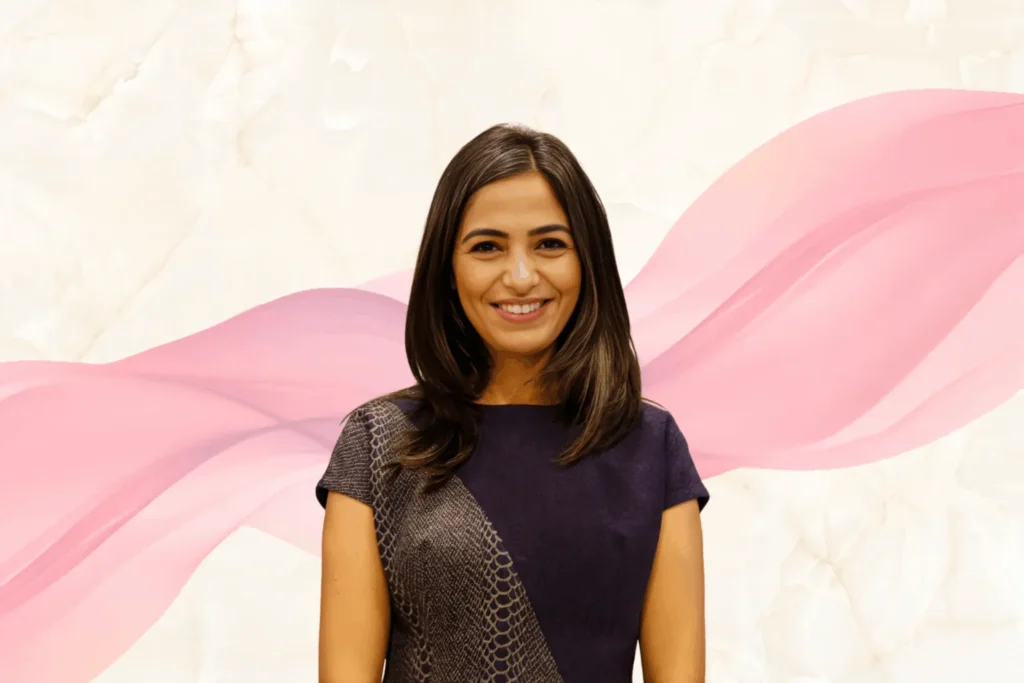
Pınar Özdemir Taşkın is the Head of Communications and Brand for the Middle East, Turkey, and Pakistan at Kerry Group, where she leads regional brand strategy and corporate communications to strengthen the company’s engagement with customers, partners, and industry stakeholders. With extensive experience across the FMCG and food and beverage sectors, she specializes in brand strategy, marketing, and strategic storytelling that aligns brand purpose with business growth across diverse markets.
A graduate of Kadir Has University in International Relations, she also pursued further studies at the London School of Economics and Political Science. Beyond her corporate role, she actively supports women’s leadership and entrepreneurship through initiatives with KAGİDER, advocating for the advancement of the next generation of women leaders.
All Content Rights Reserved by Catalyst.