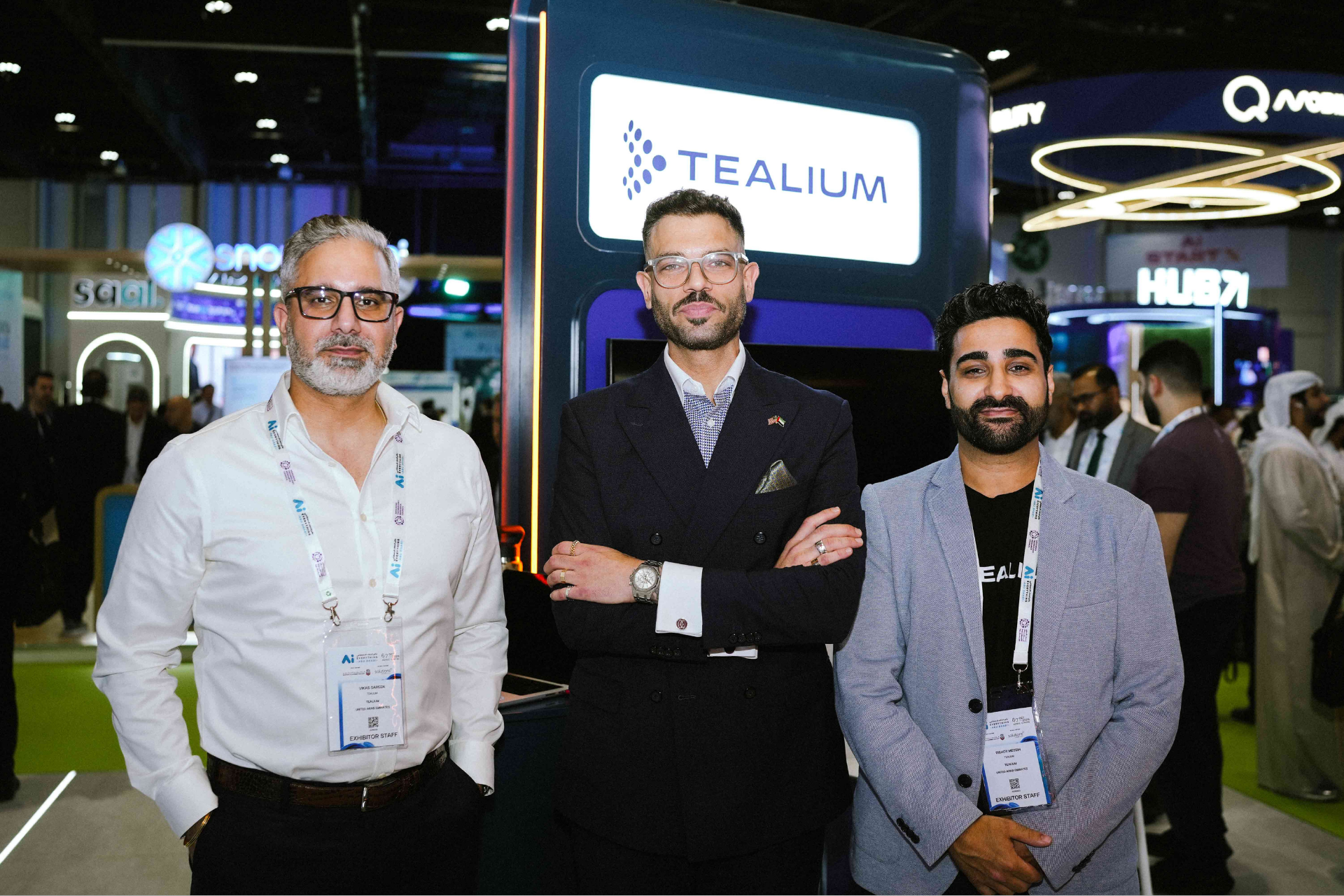




In this exclusive interaction with Catalyst, Ashish Sharma, Business Development Manager Cisco Collaboration, Comstor and Sanjaya Satharasinghe, Architecture Team Lead, Comstor, share insights on how this vision is shaping workplace transformation across the UAE, enabling organizations to build agile, secure, and sustainable environments ready for the future.
Cisco has been emphasizing the concept of “Future-Proofed Workplaces.” How do you interpret this vision from a collaboration and architecture perspective?
Ashish Sharma: Cisco’s vision for future-proofed workplaces centers on empowering organizations to work seamlessly, securely, and more humanly. It’s about giving businesses the agility to adapt to any work model—hybrid, remote, or on-site—through intelligent collaboration tools and unified platforms. The idea is not just to react to change but to design work environments that are ready for what’s next.
Sanjaya Satharasinghe: From an architecture standpoint, this vision translates into building technology ecosystems that evolve with the business. Scalability, integration, and consistent user experience are at the core, ensuring that the IT foundation supports both current and future workplace demands.
What major shifts are you observing in how organizations across the UAE are approaching collaboration and employee experience?
Ashish Sharma: The UAE continues to lead the region in digital transformation, and today’s workforce expects flexibility without sacrificing security or productivity. The adoption of AI-enabled meeting experiences, cloud-driven collaboration tools, and seamless device interoperability is accelerating. Organizations are also investing in user-centric technologies that promote well-being and simplify everyday work.
Sanjaya Satharasinghe: We’re seeing a stronger emphasis on designing hybrid environments that feel natural and equitable for all participants. Architectural planning now includes intelligent meeting rooms, network readiness for immersive collaboration, and simplified device management. The technical foundation is becoming as critical as the user experience itself.
As a distributor, how is Comstor empowering partners to deliver Cisco’s collaboration innovations in the UAE?
Ashish Sharma: Comstor plays a fundamental role in connecting Cisco’s technology with the UAE’s business landscape. We equip our partners with the tools, training, and enablement resources they need to bring Cisco’s collaboration portfolio to life—whether for SMEs or large enterprises. Our focus is on translating technology into outcomes that add measurable business value.
Sanjaya Satharasinghe: From a solutions architecture view, we support partners in designing reliable, scalable frameworks that integrate Cisco Collaboration seamlessly within broader IT environments. This includes ensuring interoperability, optimizing performance, and accelerating deployment time so customers realize value faster.
How do Cisco’s technologies help organizations build workplace strategies that stand the test of time?
Ashish Sharma: Cisco’s collaboration stack—especially Webex with its AI features, advanced analytics, and strong security backbone—is built to evolve. It provides continuity and consistency across devices and work modes, ensuring organizations stay productive and protected as work models change.
Sanjaya Satharasinghe: The architecture behind these solutions is modular and cloud-first. It gives organizations the flexibility to scale, add new capabilities, and integrate emerging technologies without major overhauls. That adaptability is what truly makes a workplace future-proof.
Sustainability has become integral to corporate transformation. How does this align with Cisco’s collaboration strategy?
Ashish Sharma: Sustainability is embedded in everything Cisco does—from product design to operations. Many collaboration endpoints are energy-efficient and built with recycled materials. By enabling hybrid work, organizations reduce travel and energy consumption, directly supporting the UAE’s Net Zero 2050 goals.
Sanjaya Satharasinghe: Sustainable architecture also means building systems that last. Cisco’s long lifecycle support and cloud-delivered updates minimize hardware waste and reduce the need for frequent replacements—making sustainability not just a goal, but a design principle.
Looking ahead, what excites you most about the evolution of workplace innovation in the UAE?
Ashish Sharma: The integration of AI, cloud, and security into the collaboration ecosystem is unlocking incredible potential. The UAE’s appetite for innovation means adopting these technologies faster and using them to create more connected, inclusive, and creative workplaces.
Sanjaya Satharasinghe: I’m excited about the growing synergy between technology and design. Workspaces aren’t just physical or virtual anymore—they’re intelligent ecosystems. This convergence of smart infrastructure with human-centered design is where the next wave of workplace transformation will truly unfold.
Final Thoughts
As organizations continue to redefine how and where work happens, the shift toward intelligent, adaptable, and human-centric workplaces is becoming essential. Future-ready environments are no longer just about enabling collaboration, but about integrating technology, architecture, and user experience into a cohesive ecosystem that evolves with business needs. By embracing unified platforms, scalable design, and sustainable practices, enterprises can build resilient workplace strategies that support productivity, innovation, and long-term growth in an increasingly dynamic digital landscape.
All Content Rights Reserved by Catalyst.