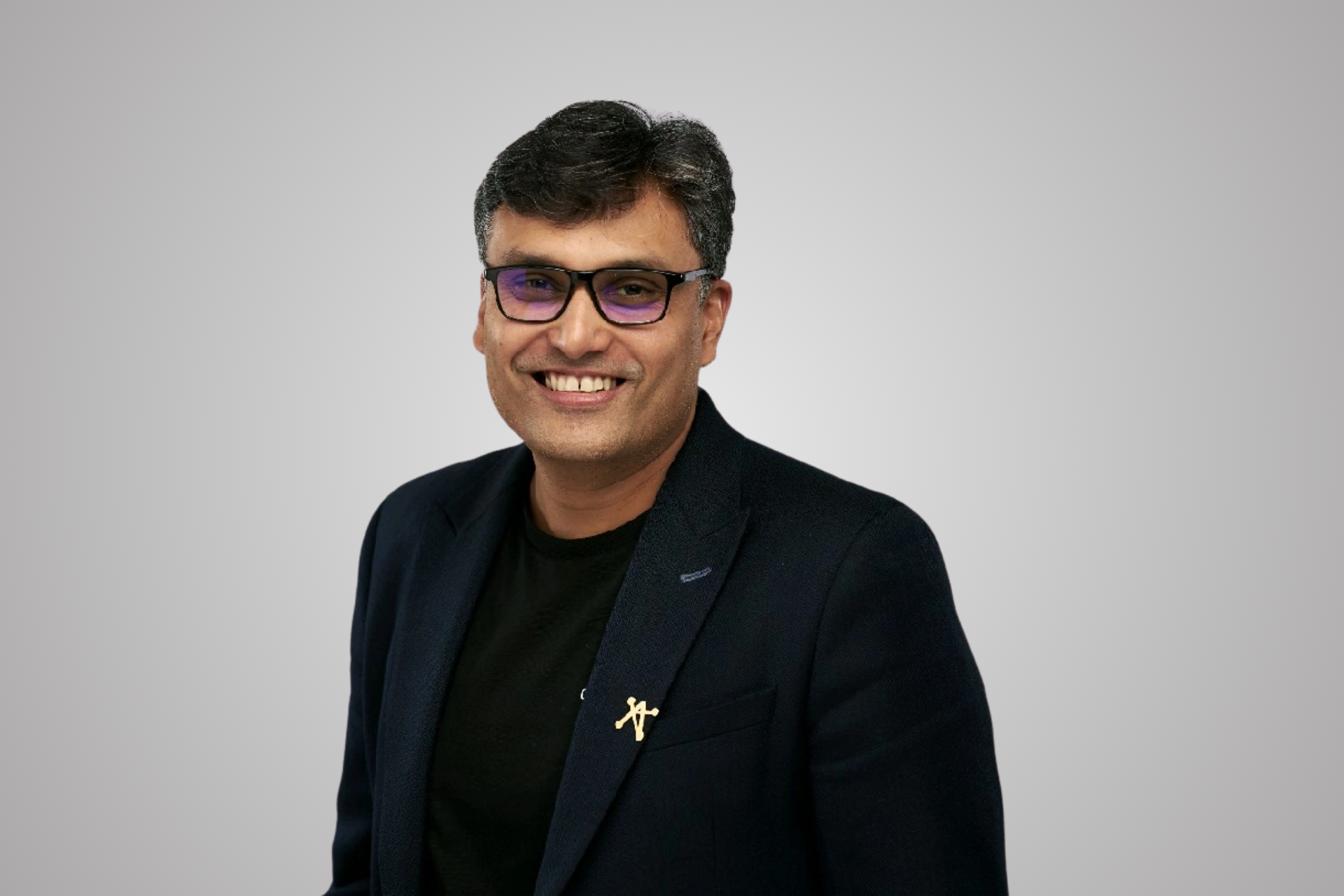



In this exclusive interaction, Ritesh Varma, Head of Business Consulting and Insurance Practice, Newgen Software, shares insights on what will truly differentiate insurers in an agentic future, will it be technology, trust, or customer experience? He also shares his thoughts on how the human function will evolve within this ecosystem as AI takes on a greater decision-making role. This interaction also how changing customer expectations in India are shaping the design and delivery of insurance products.
If agentic AI takes over core insurance functions like claims and underwriting, what becomes the true differentiator for insurers: technology, trust, or experience?
While AI will increasingly power claims, underwriting, and servicing, the real differentiator will be how insurers balance technology with trust and customer experience. In a regulated industry like insurance, AI cannot operate in isolation. Human oversight will remain critical, especially in areas involving complex judgment, compliance, empathy, and accountability. The insurers that succeed will be the ones that use AI not just to automate decisions, but to create faster, more transparent, and more trustworthy customer experiences. Technology will become the foundation, but trust and experience will ultimately define customer loyalty. The insurers that stay ahead of what’s ahead will be the ones that combine AI-driven intelligence with transparent, human-centric engagement.
With embedded insurance becoming invisible within everyday journeys, will insurance still be a product people buy or a service they never notice?
Embedded insurance is fundamentally changing how insurance is consumed. Instead of customers actively seeking out insurance products, coverage will increasingly become part of everyday transactions and digital journeys. Whether while booking travel, purchasing a vehicle, applying for a loan, or shopping online, insurance will become more contextual and seamlessly integrated. However, this does not mean customers will stop noticing insurance altogether. In fact, as embedded models expand across industries, awareness and penetration are likely to increase significantly. Insurance will evolve from being a standalone product to becoming an intelligent, always-available service layer within larger ecosystems.
As global players enter India with advanced risk models and capital, what will give domestic insurers the edge: local distribution strength or AI-led decisioning?
Domestic insurers already have a significant advantage in customer understanding, distribution reach, policyholder behavior data, and market familiarity. India is an extremely diverse and nuanced market, and localized insights are critical for underwriting, servicing, and customer engagement. When this deep ecosystem knowledge is combined with AI-led decisioning, domestic insurers can create highly contextual and personalized experiences. The future advantage will not come from distribution alone or AI alone, but from the ability to combine strong local intelligence with AI-driven operational agility and intelligent decision-making.
In an agentic workspace where AI handles most decisions, what becomes the true role of humans? Would it be oversight, exception handling, or relationship-building?
Humans will continue to play a vital role in the insurance ecosystem, even in highly agentic environments. Their role will evolve from process execution to oversight, governance, exception management, and relationship-building. Insurance often involves emotionally sensitive situations such as claims, disputes, or financial loss, where empathy and human judgment remain essential. Humans will act as the “checker in the loop,” validating critical decisions, handling complex scenarios, and ensuring ethical and regulatory compliance. AI will become a powerful decision-support system, but human expertise will remain central to trust and accountability and customer confidence.
If underwriting, claims, and servicing are all orchestrated by AI agents, where does differentiation live in the insurance value chain?
As underwriting, claims, and servicing become increasingly AI-orchestrated, differentiation will no longer live within isolated operational processes. It will shift toward how insurers orchestrate trust, intelligence, and customer experience across the enterprise. Technology can improve speed and efficiency, but compassion during moments of need remains uniquely human. The real differentiator will be how insurers combine intelligent automation with human-centric engagement. Organizations that can deliver proactive support, transparent communication, personalized products, and emotionally intelligent service will stand apart in an AI-driven insurance landscape.
What does orchestrating an intelligent enterprise look like in practice for insurers operating at scale?
Orchestrating an intelligent enterprise goes beyond automating individual steps; it requires aligning data, systems, AI, and human decision-making into a single, governed flow. In insurance, breakdowns often occur when claims, underwriting, and servicing operate across disconnected platforms and teams, creating friction, delays, and value leakage. This is evident in how a UAE-based insurer transformed its claims operations using an AI-enabled orchestration layer, achieving 63% straight-through processing, AED 2M+ in operational savings, andsignificantly faster turnaround times. By unifying workflows, intelligence, and controls across the claims journey, the insurer moved from fragmented activity to coordinated, end-to-end outcomes.
In insurance, what does it really take to move from automation to orchestration?
Moving from automation to orchestration requires a shift from isolated task efficiency to enterprise-wide coordination and intelligence. Traditional automation focuses on optimizing individual processes, whereas orchestration connects systems, data, AI, workflows, and human decisions across the entire value chain. For insurers, this means creating a unified operational layer where underwriting, claims, servicing, compliance, and customer engagement work together seamlessly. It also requires strong governance, real-time data visibility, interoperable platforms, and AI models that can continuously learn and adapt. The goal is not just faster execution, but more connected, predictive, and intelligent decision-making.
Do you think Indian insurers are moving fast enough toward AI-led operating models? Why or why not?
Indian insurers have made significant progress in adopting digital technologies, but the transition toward fully AI-led operating models is still evolving. Many insurers have already introduced AI in areas such as claims automation, fraud detection, customer servicing, and underwriting. However, large-scale transformation is often slowed by legacy infrastructure, fragmented data environments, regulatory considerations, and the complexity of integrating AI across core operations. At the same time, competitive pressure, rising customer expectations, and the rapid growth of digital ecosystems are accelerating the urgency for change. The insurers that move beyond experimentation and focus on orchestrated, enterprise-wide AI adoption will be better positioned for long-term growth and resilience.
How are customer expectations in India influencing the way insurance products are designed and delivered?
Customer expectations in India are shifting rapidly toward convenience, speed, personalization, and digital-first engagement. Today’s consumers expect insurance experiences that are as seamless as those offered by banking, e-commerce, and digital platforms. This is pushing insurers to redesign products that are simpler, more contextual, and tailored to individual needs. Customers also expect instant on-boarding, faster claims settlement, transparent communication, and omnichannel servicing. As a result, insurers are increasingly leveraging AI, embedded insurance models, and intelligent automation to deliver hyper-personalized and friction-less experiences. The focus is moving from selling policies to building continuous customer engagement and long-term trust.
The industry of FinTech moves toward an agentic future, the human role will evolve into one of oversight, judgment, and relationship-building, bringing trust and empathy to an AI-driven ecosystem. Orchestrating an intelligent enterprise will be about blending autonomous systems with human insight at scale. The real advantage will lie in striking this balance,where AI drives efficiency, and human intelligence ensures trust, relevance, and lasting value.
About the Contributor
Ritesh is a seasoned digital transformation and banking technology leader who has played a pivotal role in expanding Newgen Software from a local Indian organization into a globally recognized product company. With over two decades of experience, he brings deep expertise across BFSI, shared services, workflow and information management, and digital automation technologies. Specializing in retail and corporate banking transformation, Ritesh focuses on leveraging BPM, RPA, analytics, AI, cloud, blockchain, and cognitive technologies to drive operational efficiency and business growth. Known for his customer-focused and results-driven approach, he actively advises CXOs on digital transformation strategies and mentors cross-cultural teams. He also contributes thought leadership through his published articles on banking and technology.
All Content Rights Reserved by Catalyst.