

How has Saudi Arabia’s technology ecosystem evolved as the Kingdom advances its Vision 2030 agenda?
Five or six years ago the story was e-government: ministries digitizing services as fast as they could. That work is done and it is table stakes now. What changed is the ambition underneath it. HUMAIN is the clearest example, a PIF-backed company built to put the Kingdom among the top AI providers globally, with real compute behind it rather than a strategy document. You see the same ambition in enterprise deals. Customers now ask where their data sits and whether a vendor meets Saudi-specific requirements, not generic global ones. Five years ago the ask was help us get compliant. Today it is help us build something of our own.
What are the biggest differences you are seeing between the technology priorities of Saudi enterprises today and those of a few years ago?
What earns attention in a first meeting has changed. A few years ago, satisfying the Essential Cybersecurity Controls checklist could win a deal. ECC still matters and is still mandatory for much of the market, but it is the floor now, not the differentiator. What CISOs ask about today is resilience: can we keep the business running through an incident, not simply detect one. Data residency and AI governance now sit in conversations once reserved for firewalls and endpoints. I recently watched a bank’s team spend longer on a vendor’s AI data handling than on its threat detection. Two years ago that would have been unusual.
What could the rise of sovereign AI and sovereign cloud mean for technology vendors and buyers in KSA?
It removes a trade-off. For years, best-in-class cloud or security meant a global platform hosted wherever the vendor’s infrastructure happened to be, and buyers accepted that. Sovereign AI and sovereign cloud change the default. With the compute being built here, Saudi buyers in government, finance and critical infrastructure can expect their data and AI workloads to stay in-Kingdom. For vendors it is a fork in the road: those who invest in local hosting, in-country support and real data residency reach the most strategic deals, and those who sell the Kingdom from Dublin or Frankfurt will lose ground.
As Saudi organizations become more digitally connected, which areas of cybersecurity require greater attention?
Identity, above everything. As organizations move to the cloud and open up to remote and third-party access, who has access to what is what actually gets breached, not some rare zero-day. Third-party risk follows close behind. ECC gives it a whole domain, and customers now enforce it on their own vendors rather than document it for an audit. OT is the third area, as giga-projects connect industrial environments to IT networks. And identity is about to get harder. As AI agents begin acting on systems rather than answering questions, identity has to cover non-human actors too: what an agent may do, on whose behalf, with what oversight. Almost nobody has worked that through.
What capabilities will local technology partners need to develop to address the increasingly sophisticated requirements of Saudi customers?
Partners who move from reselling to architecting will do best. That means certified engineers, not badge-holders, who can walk into a bank or a ministry and design a control environment against ECC or SAMA requirements rather than install a product and hand over a manual. In-Kingdom, Arabic-language support matters more than people outside the region assume. At two in the morning a customer wants someone who knows their environment and their obligations, not a ticket in a queue elsewhere. Partners also need to understand AI well enough to discuss securing it. That gap is where we put most of our effort: enablement, not only distribution.
How do you see the technology opportunity evolving across both Saudi Arabia and Bahrain, and where does AmiViz see the strongest potential?
They are different opportunities. Saudi Arabia is about scale: giga-projects, a sovereign compute build-out, and a government willing to fund its ambitions. Meet the compliance bar at that scale and the ceiling is enormous. Bahrain moves differently. It made cloud adoption mandatory in 2017, years ahead of the region, and government cloud adoption is now past eighty percent. Smaller market, faster regulator, and a financial-services sector that takes data protection seriously because it has to. For AmiViz, Saudi Arabia takes the bulk of our investment: sovereign AI, cloud, and the partner ecosystem behind it. Bahrain is where we can move quickly with our cybersecurity and data resilience depth.
Final Thoughts
Saudi Arabia’s technology landscape is moving from rapid digitization to a more mature phase defined by sovereignty, resilience, AI, cloud, and deeper local capabilities. As enterprises place greater emphasis on data residency, cybersecurity, governance, and regulatory alignment, technology partners will need to evolve from traditional resellers into strategic advisors capable of addressing increasingly complex requirements. At the same time, the distinct dynamics of Saudi Arabia and Bahrain present opportunities for partners with the expertise, local presence, and ecosystem depth to support their digital ambitions. As Vision 2030 continues to reshape the region’s technology priorities, the ability to combine innovation with security, compliance, and in-market expertise will be central to sustaining long-term digital growth.
About the Contributor
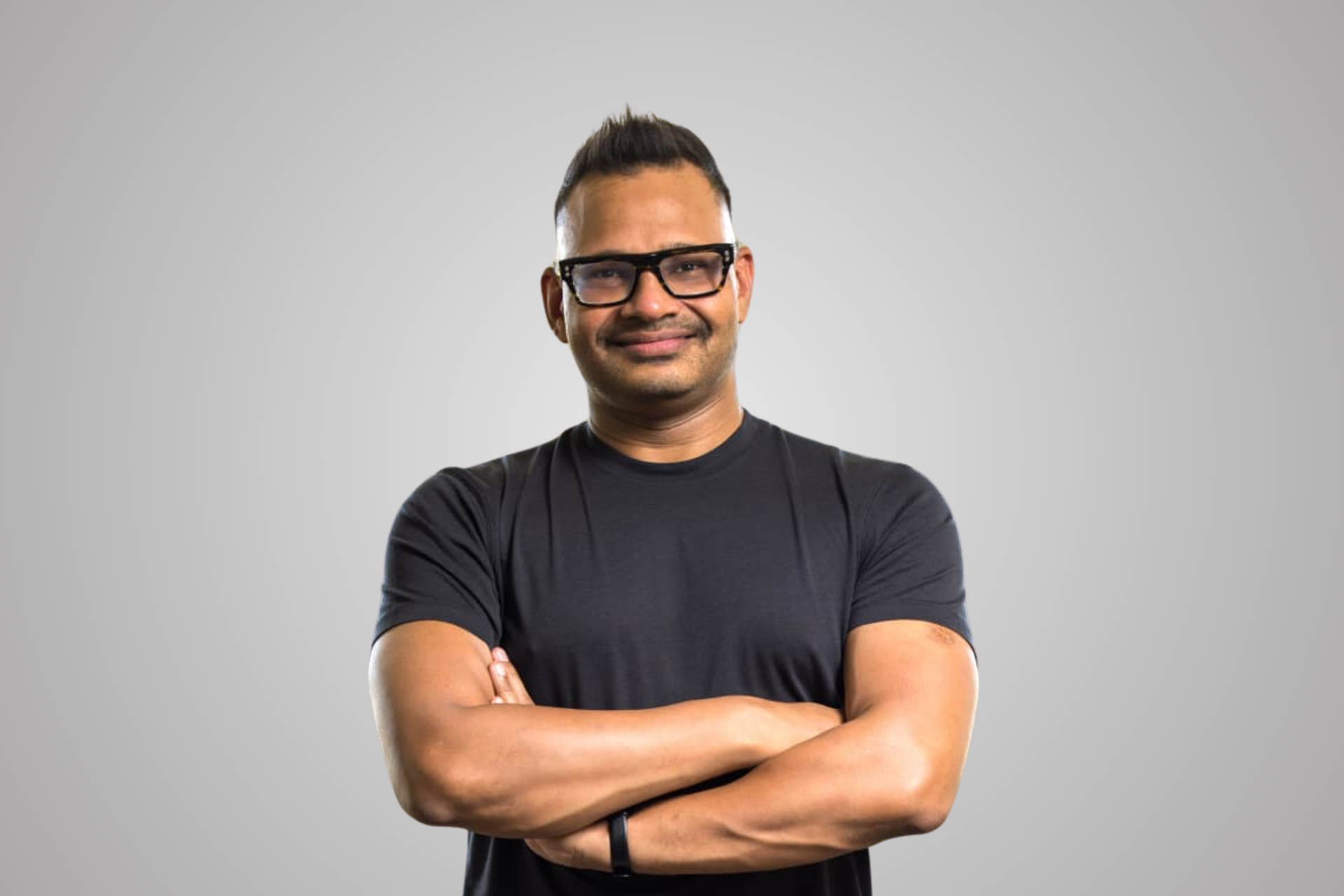
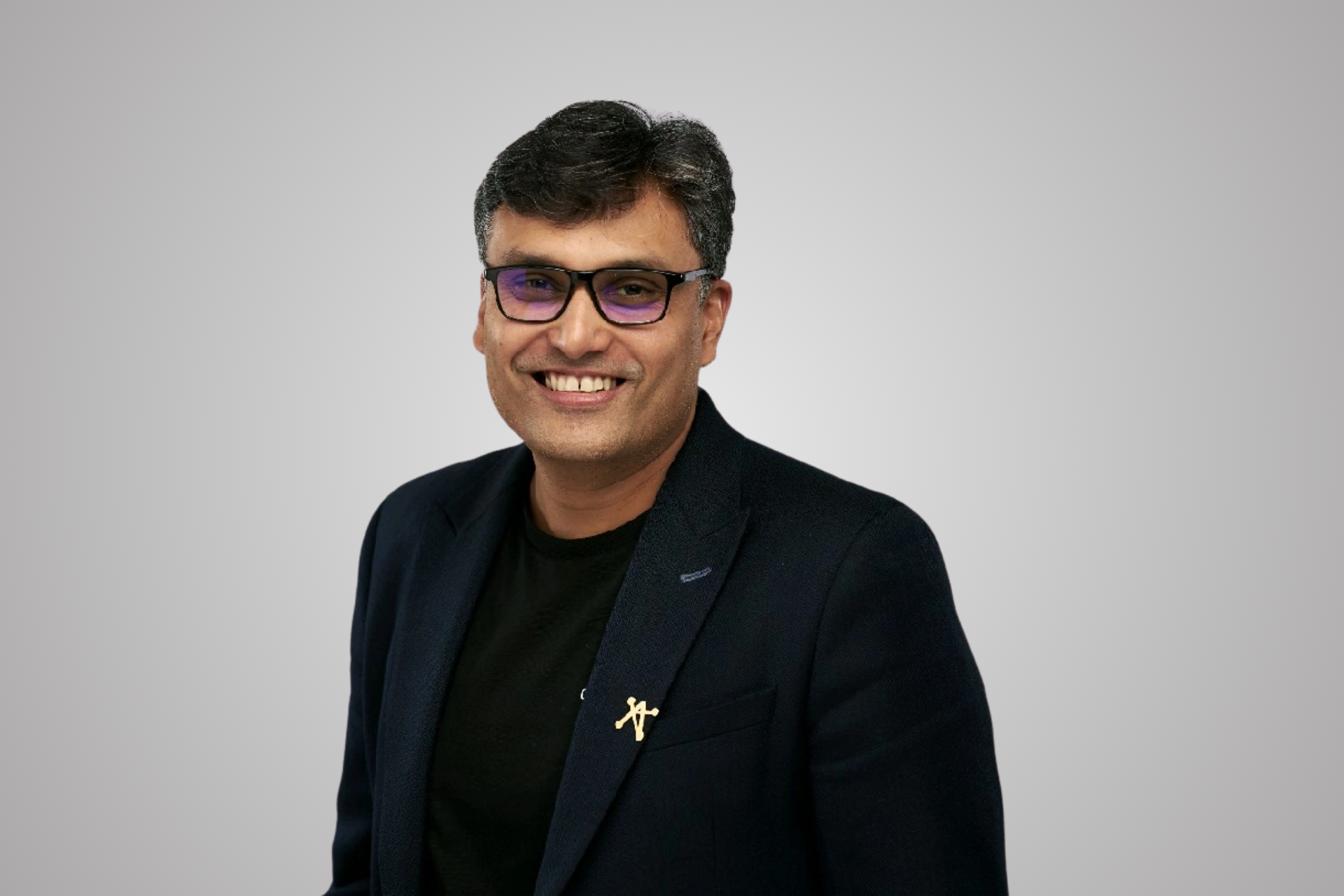
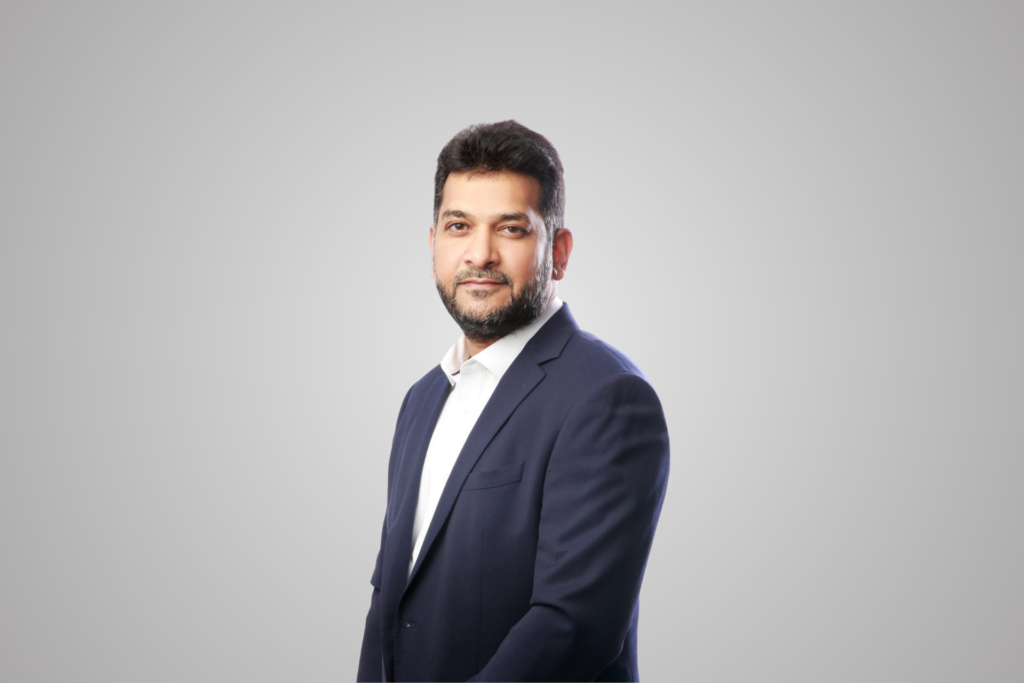
Arshad Sheikh is Vice President – KSA & Bahrain at AmiViz, with decades of experience building and scaling technology businesses across the Middle East.
A proven market-maker, Arshad has played a leading role in launching and growing category-defining global technology companies in the region, including IBM (Randori), VMware (Carbon Black), Informatica, and Trend Micro. His ability to turn new market entries into successful, multi-million-dollar businesses reflects a rare combination of strategic vision, commercial leadership, and deep market insight.
With expertise spanning enterprise sales, channel ecosystems, cybersecurity, and go-to-market strategy, Arshad is instrumental in accelerating AmiViz’s growth across Saudi Arabia and Bahrain. He also continues to strengthen the company’s role in shaping the region’s rapidly evolving technology landscape.
All Content Rights Reserved by Catalyst.