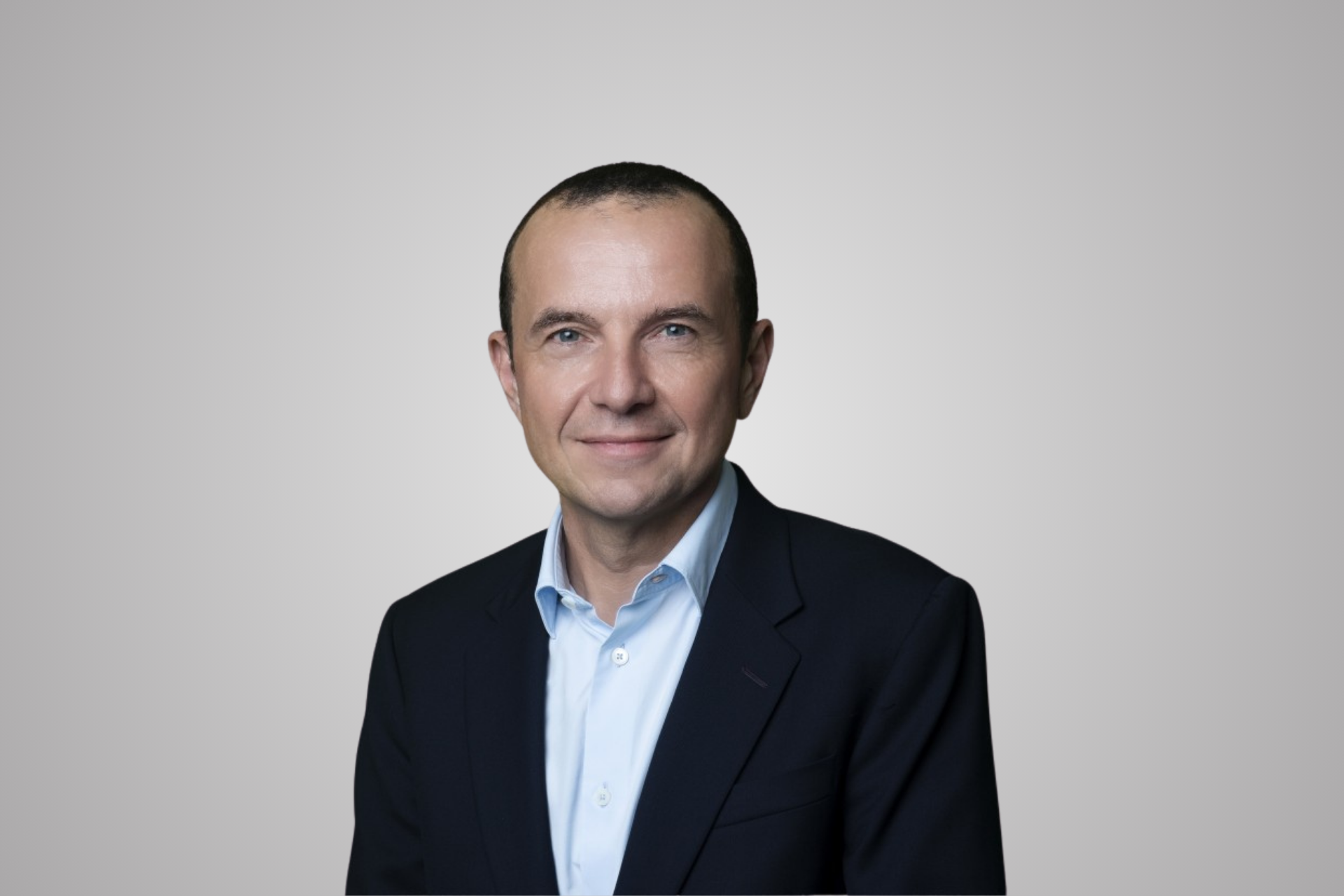


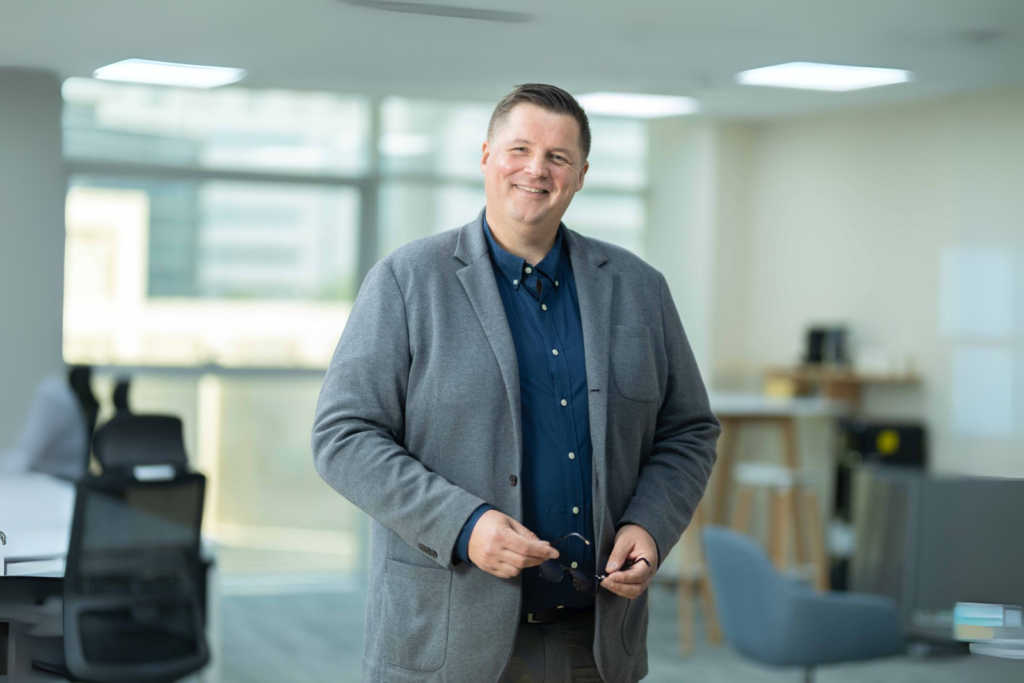
In this exclusive interaction with The Catalyst, David Boast, General Manager – UAE & KSA at Endava, shares insights from the research, explores how attitudes toward AI are evolving, and highlights what organisations must do to balance innovation with responsibility in this new era of human–AI collaboration.
What prompted Endava to explore UAE business leaders’ views on using AI in such high-stakes areas?
There’s no shortage of headlines claiming that “90% of enterprises use AI,” but that rarely tells the whole story. Such data doesn’t differentiate between high and low value AI implementations and often, what’s being measured are low-value, low-stakes automations. These are no doubt useful, but hardly transformative.
At Endava, we believe technology is our “how”, and people are our “why.” So rather than simply asking whether UAE enterprises use AI, we wanted to understand how much they actually trust it. Trust determines which use cases are even on the table.
With this objective, we set out to capture a snapshot of how business leaders in the UAE are experiencing AI now, not as a prediction, but as reality. Encouragingly, what we found was a much higher level of trust in AI’s capabilities here than in many other markets, which opens the door to high-impact applications. Leaders told us they are already exploring AI for strategic decision-making, predictive maintenance, fraud detection, and customer experience personalisation.
Ultimately, we must recognise that AI remains just a tool, and its true value depends on how confidently humans are willing to put it to work. By shining a light on attitudes to trust, we aim to give UAE organisations the confidence to invest in AI where it can genuinely reshape their businesses.
Are there differences in AI adoption attitudes between large enterprises and SMEs?
One of the most striking findings of our research was that AI ranked among the top three business priorities regardless of company size. That said, the way organisations envision its use does differ meaningfully between SMEs and larger enterprises.
Larger organisations place greater value on more complex forms of AI such as Agentic AI (systems capable of operating autonomously, setting goals, making decisions, and adapting as they go). That makes sense as such systems are complex, requiring sophisticated governance and integration that large firms are better equipped to handle. They see this autonomy as a critical enabler of scale and competitiveness.
Conversely, SMEs showed more focus on Automation AI, using AI to efficiently handle predefined, repetitive tasks. With smaller teams and tighter resources, they value AI as a way to augment human skills and free up precious time for more creative, high-value work.
So, while ambition is shared, the paths reflect practical realities. Both approaches are of course valid and underscore just how adaptable AI can be when aligned to an organisation’s needs and resources.
According to you, what safeguards enterprises can plan to implement to avoid bias and ensure fairness?
We simply cannot afford to ignore the ethical and societal concerns that accompany AI. Our research showed 76% of UAE respondents believe there are areas of society where AI simply shouldn’t be involved. Worries over bias, privacy, and transparency persist, and for good reason. AI must be a co-pilot, not a rival.
I advocate a stance of cautious optimism. To unlock AI’s potential, responsibly, organisations should take inspiration from emerging frameworks like the EU’s AI Act, which focuses on human rights and risk-based governance. But equally, there are practical steps enterprises can take right now.
Data transparency is crucial. Clean, traceable data enables better outcomes and accountability. Division of AI labour, where smaller, transparent AI tasks are orchestrated into larger processes, avoids black-box decision-making. And dynamic scaling, using flexible, multi-channel workflows, ensures that as systems grow, they remain fair and efficient.
The UAE is already ahead of many regions in addressing AI risk at a governmental level. It’s now up to individual organisations to embed these principles in their own cultures. When we lean into the partnership between humans and AI, while staying vigilant about ethics, we enable creativity, empathy, and trust to flourish.
What specific outcomes do C-suite executives most expect AI to deliver in the short term?
The UAE’s business leaders are clear-eyed about what they want from AI: tangible business value. Most respondents to our research already see AI boosting efficiency, innovation, and critically, profitability. In fact, 71% reported that AI has already contributed to increased profits.
Yet there’s a note of dissatisfaction too: 51% believe their organisations aren’t yet investing in the right AI technologies to unlock maximum value. That tension reflects a fast-moving landscape where technology choices can make or break a strategy.
C-suites are right to expect measurable returns in the short term, but the conversation is also shifting towards more personal, human-centred measures of success. These could be wellbeing, empowerment, and time saved. As people begin to let AI handle more of their decisions, they’ll define success not just in terms of productivity and profit, but in quality of life. The immediate priority, therefore, is to make smarter investments that balance quick wins with longer-term trust and transformation.
What are some of the promising trends that could shape the future of HR and workplace management in the UAE?
Our research shows we’re entering a new phase in workplace transformation, where technology is no longer just streamlining and automating processes but beginning to influence some of the most human of activities, including managing, developing, and supporting people. This marks a significant shift, from simpler functions such as enabling employees to submit leave requests via an app, to trusting AI with decisions around wellbeing, fair compensation, and workforce orchestration, areas that have traditionally been shaped by human judgement and empathy.
Of course, automation remains a powerful force. With AI at its core, it’s becoming smarter and more impactful. A prime example is the UAE Ministry of Human Resources & Emiratisation’s AI-powered system, which now issues work permits in seconds, cutting bureaucracy and enabling truly responsive service delivery.
The next major advance we expect to see is in skills-based workforce planning. Generative AI and advanced analytics are already helping people services teams map skills, predict future talent needs, and personalise learning pathways. Moreover, this enables them to align employee development both with organisational goals and national priorities.
Ultimately, while our research shows growing confidence in AI to support strategic decisions, the future of people services is likely to be “blended.” Human–AI workplaces will emerge, where AI provides data-driven insight and operational agility, while human empathy and leadership sustain culture, inclusion, and engagement.
In your view, what’s the biggest cultural or organizational shift needed to adopt AI responsibly in critical decisions?
The Middle East has never been afraid of bold ambition, whether that’s building the world’s tallest tower, creating entire smart cities, or founding the first AI university. But when it comes to organisational change, such as that which will be required for deep, large scale AI integration, many enterprises still treat risk as something to avoid rather than embrace.
To adopt AI responsibly, especially in critical decision-making, leaders need to reframe risk as an enabler of innovation. That means dismantling silos, building trusted data ecosystems, and cultivating cultures of openness and agility. It’s not just a technical upgrade; it’s a mindset shift.
Responsible AI isn’t about rushing headlong into every shiny new technology, nor is it about paralysing caution. It’s about clarity. Understand where AI can deliver value, where human oversight remains essential, and how to embed transparency and ethics into every step. At Endava, we help our clients do exactly this. We help them modernise while staying true to their purpose. That means being brave enough to embrace continuous change, but wise enough to keep people, whether they are customers, employees, or broader society, at the centre of every decision.
The findings highlight a pivotal moment for AI adoption in the UAE, one where trust, ambition, and readiness converge to create a unique opportunity for transformative change. While technology serves as a powerful enabler, its true value will depend on how responsibly organisations integrate it into decision-making processes and align it with human oversight. As businesses strive to balance efficiency, ethics, and empathy, the path forward lies in embracing innovation with clarity, investing in the right infrastructure, and fostering a culture of openness and agility. In doing so, organisations can unlock AI’s full potential, shaping not only the future of work but the broader fabric of society.
All Content Rights Reserved by The Catalyst.