


Leviathan combines Armada’s superior computing infrastructure and software with Johnson Controls’ unique thermal management technology and industrial-scale manufacturing capabilities. Johnson Controls’ thermal management portfolio covers the entire process chain, including coolant distribution units, chillers and building controls, and supports high-power density computing systems with water-free cooling technologies designed to reduce energy consumption and noise.
A manufacturing model designed for expansion
Galleon Forge Two follows Galleon Forge One at Johnson Controls’ production site in Gilbert, Arizona, where continuous production is expected to begin in early 2027 on an area of up to 400,000 square feet. This will create more than 500 jobs as well as additional jobs along the domestic supply chain. A further production expansion is planned at the Johnson Controls site in Edmonton, Canada. The Galleon Forge model is designed to be established wherever countries or regions want to build sovereign AI infrastructure on the ground, with local jobs, a local supply chain, and capacities that remain under local control.
Located at a Johnson Controls manufacturing site in Dublin, Ireland, Galleon Forge Two covers 90,000 square feet and is supported by approximately 700 Johnson Controls engineers, technicians and other professionals, with additional roles added along the European supply chain. For European governments and companies, the implications go beyond the question of capacity: the infrastructure that supports their AI no longer needs to be imported or rented. It is manufactured in Europe, belongs to the customers and is operated according to their specifications.
“The pace of the sovereign AI revolution requires a new approach to meet demand,” said Dan Wright, co-founder and CEO of Armada. “The Galleon Forge model ensures continuous production and is designed for further expansion. We can now deliver advanced computing infrastructure to any country or organization that needs it – manufactured within its own borders, owned and controlled to its own specifications.”
“We have been building modular infrastructure for almost two decades. What’s different today is the scale, density, and speed that AI requires,” said Austin Domenici, president of the Global Data Center Solutions business unit at Johnson Controls. “With Armada, we are combining this experience with our thermal management expertise and manufacturing capabilities to carry out more of the complex integration work in the plant and to get computing capacity up and running faster and more predictably.”
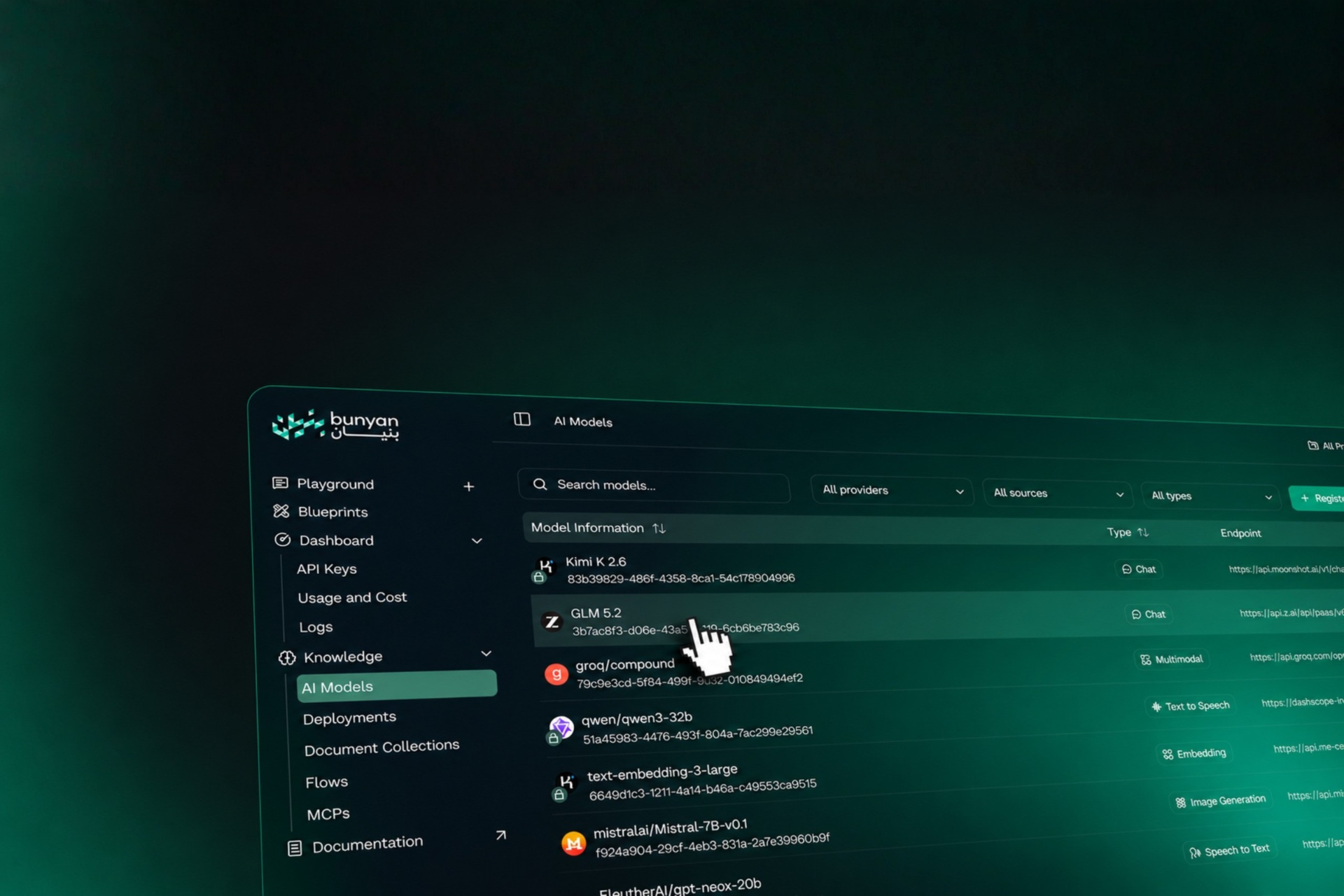
Leviathan runs on the Armada Platform, which manages power, cooling, and compute power across all units, as well as running the latest open-source or proprietary models. Customers own the infrastructure and control every layer without relying on an external cloud. As part of the Armada Sovereign SI Grid, the Leviathans operate as one fleet, so critical workloads never depend on a single location.
First deployments in Norway and Australia
Fossefall has placed an initial order for five modular Leviathan data centers with a total capacity of more than 9 MW, with the unit completed today being the first and delivery of all five data centers planned by the end of the first quarter of 2027. For their vision of sovereignty, the search for partners in Europe was of particular importance.
“Europe needs a more advanced computing infrastructure, and the focus must now be on making projects a reality,” said Øyvind L. Vesterdal, CEO of Fossefall. “Working with Armada and Johnson Controls allows us to take a more standardized and modular approach to implementation. This can help shorten project timelines and facilitate the development of projects in close collaboration with local communities. With access to clean energy, political stability and a suitable climate, the Nordic countries are well positioned for AI infrastructure at scale.”
In Australia, WinDC plans to deploy 11 MW of modular data center capacity in renewable energy generation sites, with computing capacity placed near wind and solar installations, as well as battery storage.
“Australia’s energy transition depends on building AI infrastructure in the right place, where renewable energy is available, rather than waiting for a power grid that cannot be expanded fast enough to transport that energy,” said Andrew Sjoquist, founder and CEO of WinDC. “With Leviathan, we can provision compute capacity directly where clean energy is available and scale it according to the workload.”